 How-to
Why Does Mold Return So Quickly After Pressure Washing?
Quick Summary
Mold returns quickly after pressure washing because the water removes visible growth but leaves spores and root structures behind. Those survivors, plus lingering moisture, shade and organic debris, let the mold regrow within weeks.
- Pressure washing mostly removes visible mold and does not reliably kill it.
- Mold roots can anchor into wood, vinyl and concrete and survive a wash.
- High pressure can push moisture deeper into siding, wood and porous concrete.
- Shaded, damp surfaces with leftover debris are the most likely to regrow mold.
- Soft washing with a cleaning solution and dwell time usually works better for mold.
Table of Contents
- What Pressure Washing Removes and What It Leaves Behind
- Does Pressure Washing Kill Mold or Just Remove It?
- The Moisture, Shade, and Organic Material That Feed Regrowth
- Mold vs. Mildew vs. Algae vs. Dirt: How to Tell the Difference
- Soft Washing vs. Pressure Washing for Mold
- Surface-by-Surface Troubleshooting and a Safe Post-Wash Treatment
- How to Prevent Mold From Coming Back and How Long It Should Stay Away
- Booking a Professional Cleaning With Soul Cleanse
- Frequently Asked Questions
What Pressure Washing Removes and What It Leaves Behind
Last Updated: November 17, 2026
The reason mold return happens so fast after pressure washing is that the water blasts off what you can see, while the spores, moisture and shade that feed it stay put. Pressure washing is great for dirt and loose debris. It is much less reliable against mold that has rooted itself into a surface.
Mold is a fungus that grows from spores, which are tiny and float through the air (the EPA). Those spores land on damp surfaces and send out thin root-like threads that anchor into the material. A pressure washer can strip the colored top layer away, but the roots often stay behind.
What usually gets removed:
- Loose dirt, dust and pollen
- Surface stains and visible colonies
- Bird droppings and light debris
- Some mildew sitting on the top layer
What often stays behind:
- Mold spores floating in the air or lodged in pores
- Microscopic roots that dig into wood, vinyl and concrete
- Moisture trapped in the surface
- Organic debris that feeds new growth
Mold often reappears within weeks after a wash that only removed the visible growth. The spores were not necessarily gone. They were likely waiting for the next damp stretch.
Does Pressure Washing Kill Mold or Just Remove It?
Pressure washing mostly removes visible mold, and that is one reason mold can return afterward. It does not reliably kill it.
Killing mold takes a cleaning solution, and the solution needs time to work. Many people skip that step, so the mold is physically removed but not treated. Without a biocide or a proper cleaning agent, the remaining spores have an easy path back.
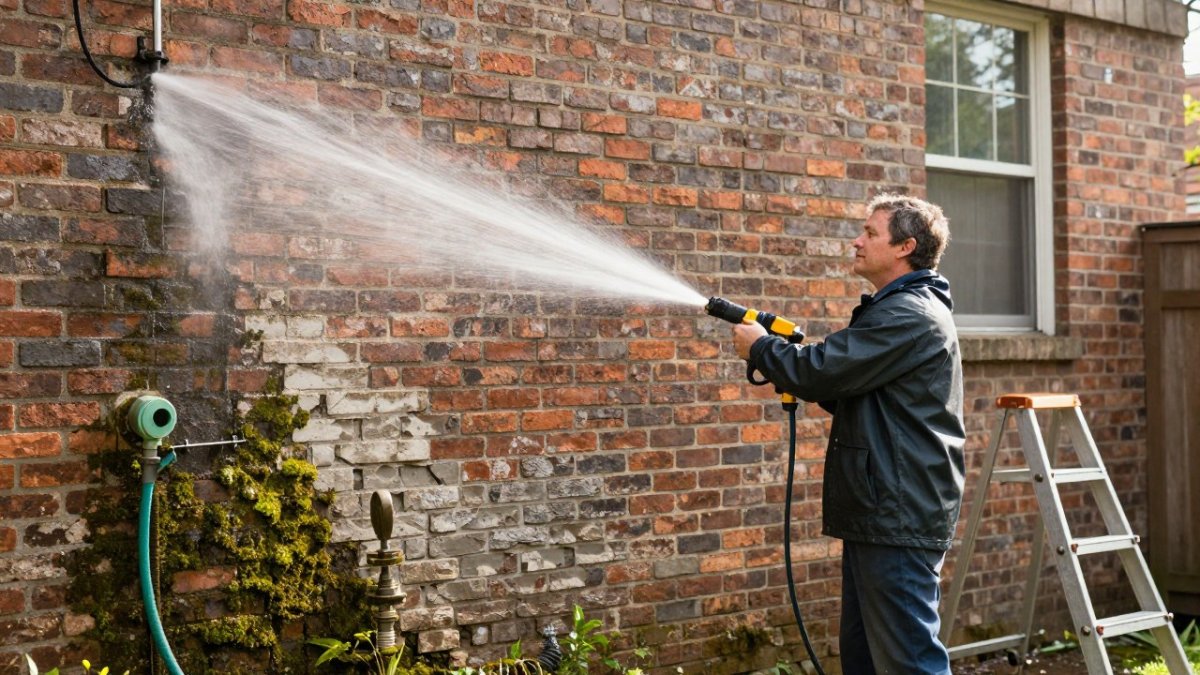
Pressure also brings its own problems. Water forced at high pressure can push moisture deeper into siding, wood and porous concrete. That added moisture gives the leftover spores exactly what they need to regrow.
A common mistake is turning up the pressure to get rid of stains faster. Harder blasting can etch wood, strip paint and open small gaps in vinyl. Those openings trap water and make regrowth even quicker.
The Moisture, Shade, and Organic Material That Feed Regrowth
Mold needs three basic conditions to thrive: moisture, a food source and limited sunlight. Once a cleaned surface has all three, regrowth is almost guaranteed.
Moisture is the biggest driver. Rain, morning dew, humidity and poor drainage keep surfaces wet for hours each day. Alabama's warm, humid summers make this even more likely.
Shade slows drying. A north-facing wall, a section under a deep roof overhang or a spot near heavy tree cover may stay damp long after the rest of the house dries out. Mold loves those spots.
Organic material gives the growth something to eat. Dead leaves, pollen, dirt buildup, wood fibers and even paint residue all feed mold. Clean the surface without removing that debris, and the spores have a fresh meal.
Here is a quick check for your property:
- Does the area stay damp for more than a day after rain?
- Is the spot shaded by trees, a roof edge or a fence?
- Are there leaves, mulch or soil piled against the wall?
- Does water pool or drip from gutters onto the surface?
If you answered yes to two or more, expect mold to return faster.
Mold vs. Mildew vs. Algae vs. Dirt: How to Tell the Difference
Homeowners often mix these up, and that mix-up leads to the wrong cleaning method.
- Dirt is loose and wipes or rinses off easily. It has no roots.
- Mildew is a surface fungus. It looks flat, powdery and white or gray. It washes off more easily than mold.
- Mold looks fuzzy or slimy, may be black, green or brown, and often has a musty smell. It penetrates deeper into the surface.
- Algae is plant-like growth that looks green, blue-green or black. It thrives in constant wetness, especially on north-facing siding, driveways and roofs.
A simple test: spray a little water on the spot. Dirt rinses away right away. Mildew and algae may lighten but still cling. Mold tends to stay dark and dig in, especially on wood or porous concrete. If you are unsure, a professional inspection can confirm what you are dealing with before any cleaning starts.
Soft Washing vs. Pressure Washing for Mold
Soft washing uses low pressure paired with a cleaning solution. The solution does the heavy lifting, and the water rinses it away. For mold, this method usually works better than pressure alone because the solution reaches spores and roots that the spray would miss.
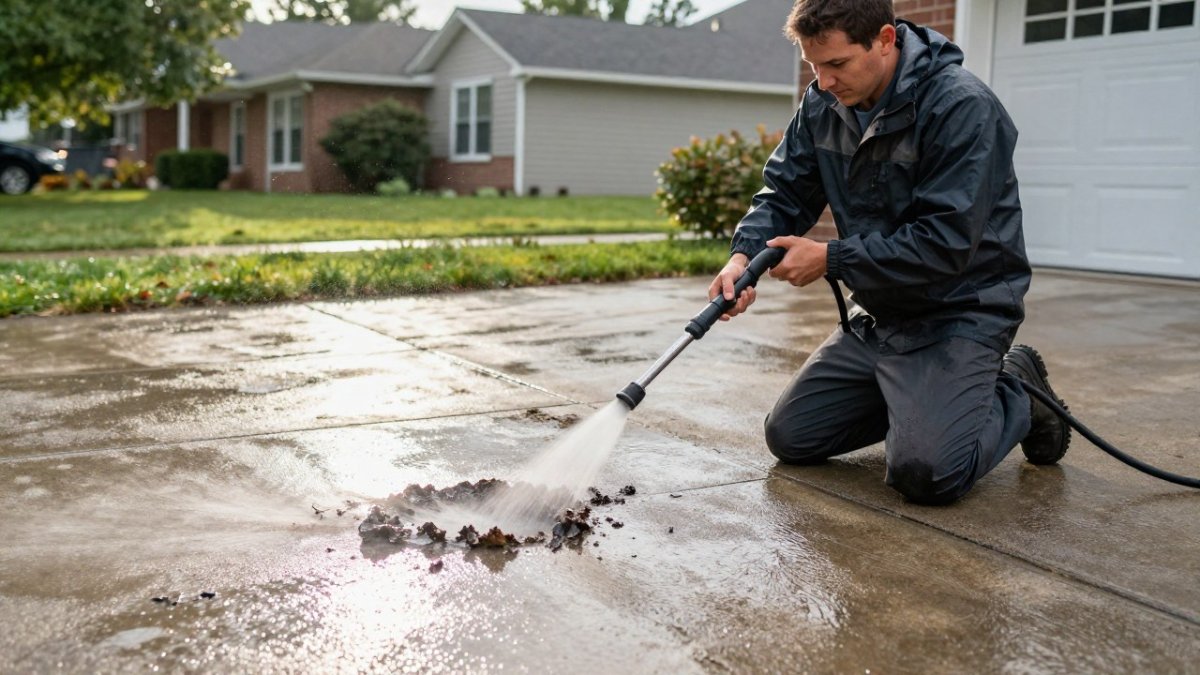
Pressure washing is still useful for concrete, pavers and tough grime. It just should not be the only step when mold is the problem.
Key differences:
- Soft washing uses lower pressure and a treatment solution. It is gentler on siding, paint and wood.
- Pressure washing uses higher force and suits hard, durable surfaces. Used alone on mold, it often leaves spores behind.
- Soft washing needs dwell time, so the solution can work before rinsing.
- Pressure washing is faster but may cause surface damage if the pressure is too high.
Many Marshall County homes do best with a combined approach: soft wash the siding and roof, then use controlled pressure only where the surface can handle it.
Surface-by-Surface Troubleshooting and a Safe Post-Wash Treatment
Each material holds moisture, spores, and cleaning solutions differently, so the cause of fast regrowth and the safe fix change from surface to surface.
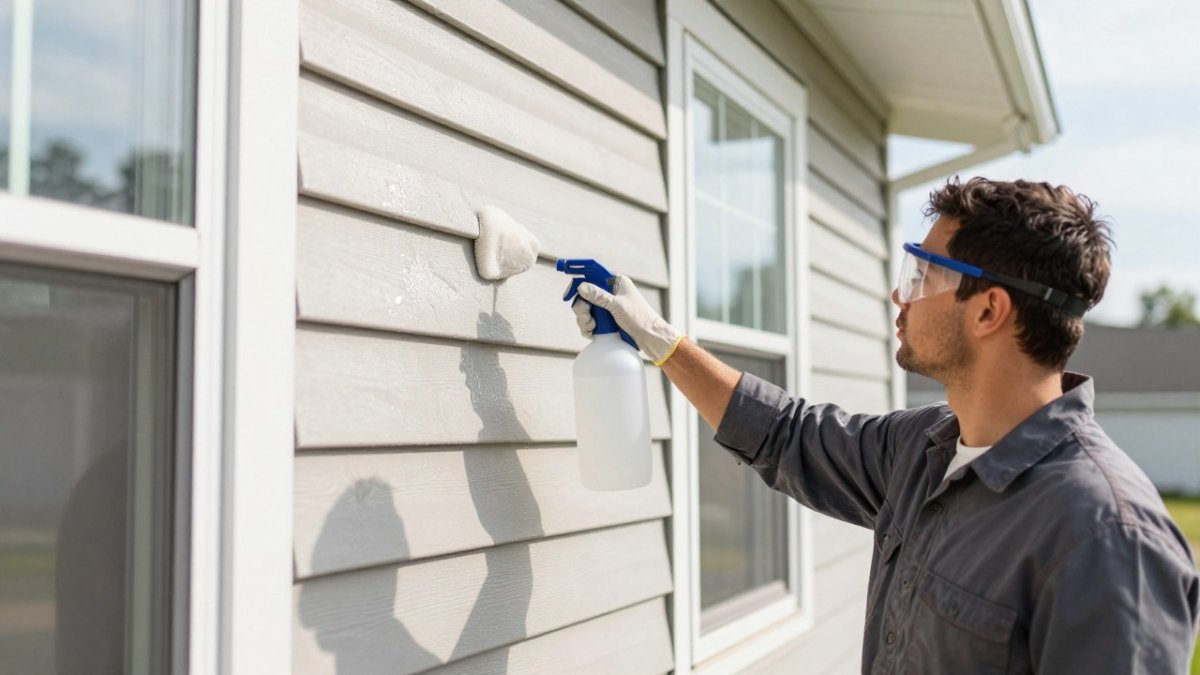
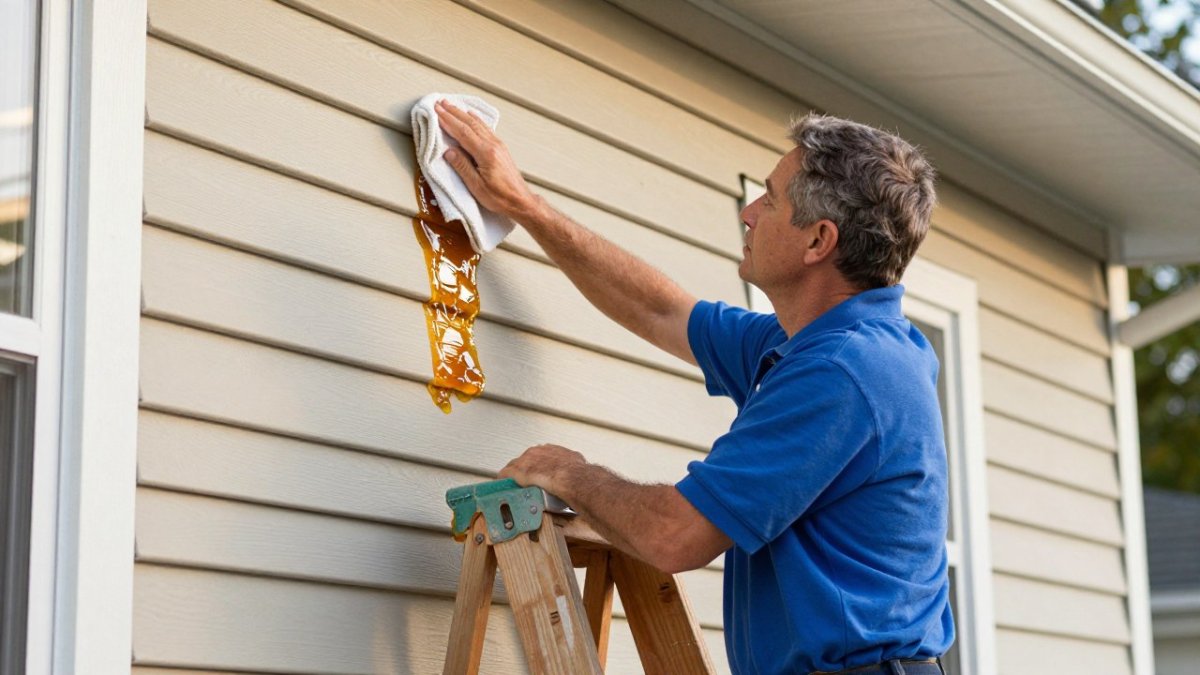
Vinyl siding. Mold and mildew usually sit in the chalky film and in the seams where panels overlap.
Wood and wood composites. Wood absorbs water and holds mold roots below the surface, so blasting the visible colony often leaves the root structure intact. For a detailed walkthrough, see how to safely remove mold from house siding.
Concrete driveways, walkways, and patios. Concrete is porous, and spores settle into the pores and into control joints and cracks.
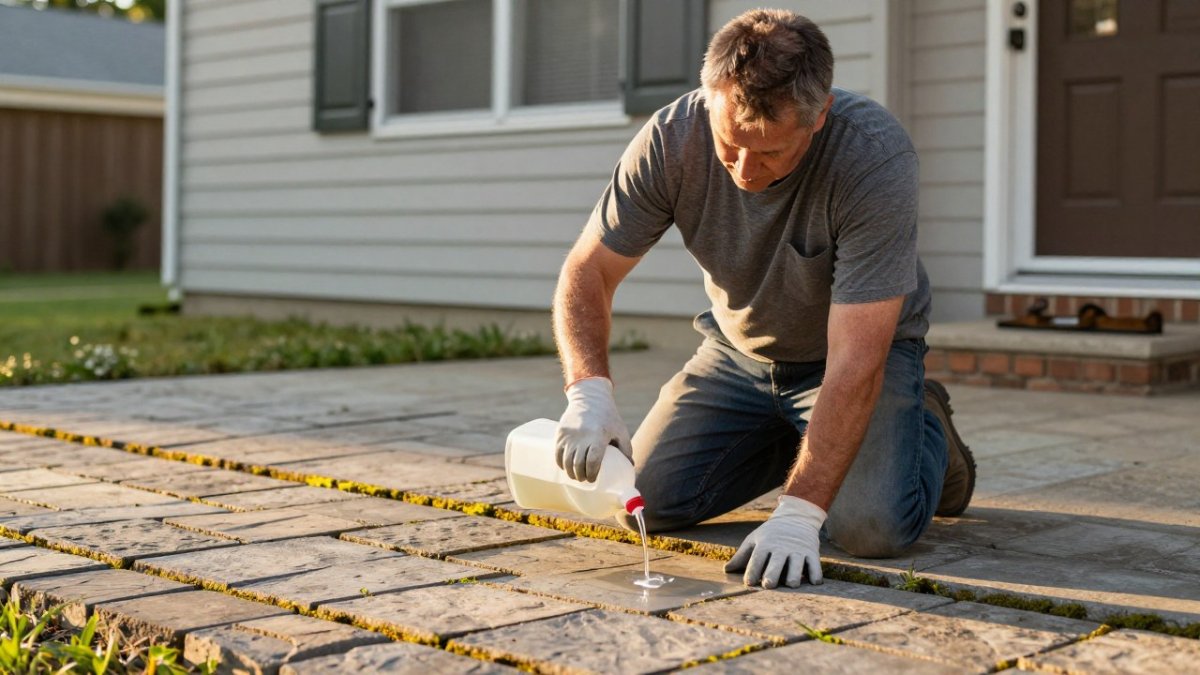
Pavers and retaining walls. The joints and the sand between pavers trap moisture, organic debris, and spores.
Roofs. The dark streaks are usually algae, not mold, and shingles are damaged by high pressure.
A safe post-wash treatment protocol that works across these surfaces:
- Rinse thoroughly so no cleaning residue is left to trap dirt or react with the treatment.
- Let the surface dry completely, often one to two sunny days, longer in shade or humid weather.
- Choose a product labeled for that specific surface and read the label before mixing or applying.
- Apply at the label dilution, keep the recommended dwell time, and do not let the solution dry on the surface.
- Rinse per the label, and keep plants and pets off the area until it is dry.
- Wear gloves, eye protection, and a mask, and never mix cleaning chemicals together.
- Keep runoff out of storm drains, garden beds, and waterways, and cover or rinse nearby plants.
Watch out: mixing bleach with an acid or ammonia cleaner can release dangerous gas, and letting any treatment dry on siding or plants can cause damage that looks like a new stain.
How to Prevent Mold From Coming Back and How Long It Should Stay Away
Prevention works only when you fix the moisture source, not just the visible growth. Before scheduling another wash, run a root-cause check on the property.
Root-cause moisture checklist:
- Gutters and downspouts: are they clogged, leaking, or dumping water against the wall or onto a walkway?
- Drainage: does soil, mulch, or a slope hold water against the foundation or under a deck?
- Irrigation: do sprinklers overspray the siding, fence, or driveway and leave it wet daily?
- Leaks: are there roof, flashing, or plumbing leaks that keep a wall or ceiling cavity damp?
- Shade and airflow: do trees, fences, or roof overhangs block sun and air from a wall or slab?
- Trapped water: is water getting behind siding, under pavers, or into wood joints and staying there?
- Organic buildup: are leaves, pollen, and soil left on surfaces that never get rinsed?
If two or more of these apply, the surface will keep regrowing no matter how well it is washed.
Realistic timelines. Shaded, humid, or wooded properties can see regrowth within a few months. Climate matters: warm, humid summers and frequent dew shorten the interval, while sun-exposed, well-drained surfaces last longer. No treatment stops mold permanently, so plan on a maintenance cycle rather than a one-time fix.
Maintenance that actually helps:
- Trim shrubs and branches back from walls and rooflines to restore sun and airflow.
- Clear leaves and mulch away from the foundation and keep soil below the siding line.
- Fix gutter leaks and extend downspouts so water moves away from the structure.
- Rinse pollen and debris off shaded surfaces between full washes.
- Re-treat high-risk surfaces on a schedule tied to your climate and shade, not just when growth is obvious.
Watch out: washing more often without fixing drainage or overspray just resets the clock, the same moisture keeps feeding the same spores.
The article points to a few concrete causes and timing factors that drive regrowth, so the table below summarises them.
| Factor | Effect on regrowth | Note |
|---|---|---|
| Moisture | Keeps surfaces wet for hours each day | Rain, dew, humidity, poor drainage |
| Shade | Slows drying | North-facing walls and deep overhangs stay damp |
| Organic material | Feeds new growth | Leaves, pollen, dirt, wood fibers |
| Regrowth timing | Can return within weeks | Shaded, humid properties may see it within months |
| Prevention | Requires fixing moisture source | Gutters, drainage, irrigation, trimming |
Booking a Professional Cleaning With Soul Cleanse
Mold that keeps returning usually needs more than a quick spray. Soul Cleanse is a family-run pressure washing company serving residential and commercial properties across Marshall County. Our team uses state-of-the-art equipment and skilled employees trained to handle various surfaces.
If mold keeps coming back on your home, reach out to Soul Cleanse to discuss your property. Pricing depends on quantity, dates, and delivery, so visit the Soul Cleanse website for current prices or to request a quote.
Visit Soul Cleanse's website or call to request a quote, and we will walk you through what your property needs. You can also review our house washing service that removes mold and grime from exterior surfaces.
Frequently Asked Questions
Does pressure washing get rid of mold?
Pressure washing removes the visible mold growth on a surface, but it usually does not kill the spores or the roots that remain in the material. Those leftover spores can settle back onto the cleaned area and start growing again once moisture and organic material are present. For lasting results, the cleaning should be paired with a proper biocide treatment and an inspection of the moisture source, such as shaded areas, poor drainage, or water running off gutters onto siding.
Why does mold keep coming back after cleaning?
Mold regrows when the conditions that support it are still in place. Common causes include shade that keeps surfaces damp, rain or sprinkler spray that repeatedly wets the area, organic debris such as leaves and dirt that holds moisture, and porous materials like wood, concrete, or unsealed siding that absorb water. If those conditions are not addressed, spores that survived the wash will recolonize the surface, sometimes within weeks in humid weather.
How do you prevent mold from growing back on siding?
Start by improving drainage and reducing shade so the siding dries between rain events. Trim back shrubs and trees that hold moisture against the wall, clean gutters so water does not overflow onto siding, and remove leaves and dirt from the base of the wall. Consider a treatment after washing suited to your surface, and plan follow-up cleaning based on your climate and exposure.
Can pressure washing spread mold spores?
Yes, if the washing is done at high pressure without a proper cleaning solution, spores can be dislodged and carried by runoff or wind onto nearby surfaces. Working from the bottom of a wall upward, keeping the spray at a safe distance, and rinsing away runoff from plants and walkways reduces the risk. Soft washing at low pressure paired with a biocide is generally the safer approach for mold.