 How-to
Professional House Washing Results After 1 Month
Last Updated: November 21, 2026
Quick Summary
After one month, professional house washing results should look even in color, with clean walkways and no dark streaks or fresh growth at the base of the walls. Normal changes include light dust, pollen, and mild fading. Dark bands returning in the same pattern as before the wash point to a moisture problem rather than a failed cleaning.
- Take baseline photos at day seven from the same spots and in similar light.
- Pollen film on horizontal surfaces is dust and can be rinsed with a hose.
- Specks in shaded, damp areas are common and do not mean the wash failed.
- Dark bands matching the pre-wash pattern signal a moisture source to troubleshoot.
- Do not pressure-wash the walls yourself during the first month.
Table of Contents
- What Professional House Washing Results Look Like After One Month
- Week-by-Week: What Changes During the First Month
- How Long House Washing Lasts and What Shortens It
- Mildew Returning After a House Wash: Causes and Fixes
- What to Expect After Soft Washing, and Residue vs. a Failed Wash
- House Washing Before and After: Results by Siding Material
- How to Evaluate a Contractor's One-Month Results
- Booking Your Follow-Up Check With Soul Cleanse
- Frequently Asked Questions
What Professional House Washing Results Look Like After One Month
Professional house washing results after 1 month are usually still clean, but the first wash is only half the story. Most homeowners in Marshall County notice the biggest difference in the first week, then wonder whether the results will hold.
Here is what a good result looks like at the one-month mark. The siding should look even in color, with no dark streaks running down from the gutters. Walkways and patios should look clean rather than faintly gray. There should be no fresh green or black growth starting at the base of the walls or along the north side of the home.
A house washed by a professional may still show some natural aging, and that is normal. Vinyl and painted siding can fade slightly with sun exposure, and a light film of dust can return. Those changes are not a failed wash. Mold, mildew and algae returning in bands is a different signal, and it deserves a closer look.
A clean surface that stays clean longer is the goal, rather than a wash that looks good for only three days. Many homeowners find that a month is long enough to judge the work honestly.
Week-by-Week: What Changes During the First Month
The keyword asks a specific question: what do professional house washing results actually look like after one month? The honest answer is that the surface keeps changing after the crew leaves, and most of those changes are normal.
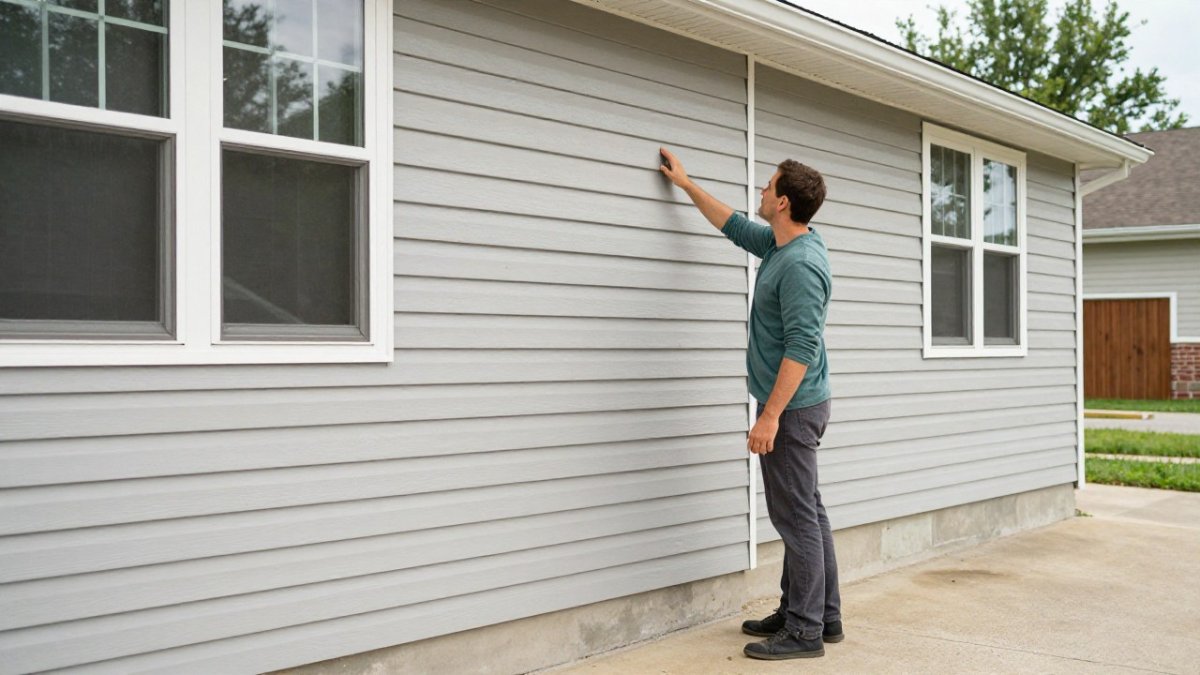
Days 1 to 3: drying and settling. Siding often looks uneven while it dries. Vinyl can appear lighter in some panels and darker in others because moisture is leaving at different rates.
Week 1: the baseline photo. By day seven, most surfaces have dried evenly and any leftover cleaning solution has rinsed away or degraded in sunlight. This is the best time to take your baseline photos.
Week 2: pollen and dust return. In most parts of the country, pollen counts peak in spring and early fall.
Week 3: shaded areas reveal themselves. The north side, areas under deep eaves, and walls shaded by dense shrubs are the first places to show whether organic growth is returning.
Week 4: the honest comparison. This is the right time to compare your day-seven baseline photos to the current condition. Put them side by side on the same screen. Ask three questions: Is the color still even? Are the shaded areas still clean? Is any new growth appearing in the same pattern as before the wash? If the answers are yes, yes, and no, the wash is holding as expected. If growth has returned in the same bands within four weeks, that points to a moisture source rather than a cleaning failure, and the next section explains how to troubleshoot it.
What to log each week. Keep a simple record: date, weather since the last entry, any irrigation or rain events, and one photo per side of the house.
Watch out: Do not pressure-wash the walls yourself to "test" a spot during the first month.
Here is a quick reference for what to check at each stage of the first month.
| Timing | What you see | What it means |
|---|---|---|
| Days 1 to 3 | Uneven or dull siding while drying | Normal drying, do not judge color yet |
| Week 1 | Even, dried surface | Take baseline photos from the same spot |
| Week 2 | Light yellow-green film on horizontal surfaces | Pollen or dust, rinse with a hose |
| Week 3 | Specks in shaded or damp areas | Common in shade, not a failed wash |
| Week 4 | Dark bands matching pre-wash pattern | Moisture source, troubleshoot and call provider |
How Long House Washing Lasts and What Shortens It
The exact timing depends on the surface, the surroundings and the local climate.
Factors that shorten results:
- Trees and shrubs touching or overhanging the house
- Shade from the north side or heavy eaves
- Humid weather and frequent rain
- Gutters that overflow onto siding
- Sprinklers that hit the walls each day
Factors that extend results:
- Trimming plants so they stay a few feet away from the walls
- Keeping gutters clear and working
- Scheduling a maintenance wash on a regular cycle
Mildew Returning After a House Wash: Causes and Fixes
Seeing dark spots return after a wash can be frustrating. In most cases, the cause is moisture rather than a failed wash. Mildew and algae need damp, shaded conditions to grow again, so the spores that were removed can regrow if the area stays wet.
If growth returns within a month, check these common causes first:
- Water pooling near the base of the house
- Plants holding moisture against the siding
- Shaded areas that never fully dry
- Downspouts dumping water onto the same spot
Fixes are usually simple. Redirect the downspout, trim back vegetation and let the area dry fully. If the growth keeps coming back in the same place, call the service provider and ask for a spot check.
What to Expect After Soft Washing, and Residue vs. a Failed Wash
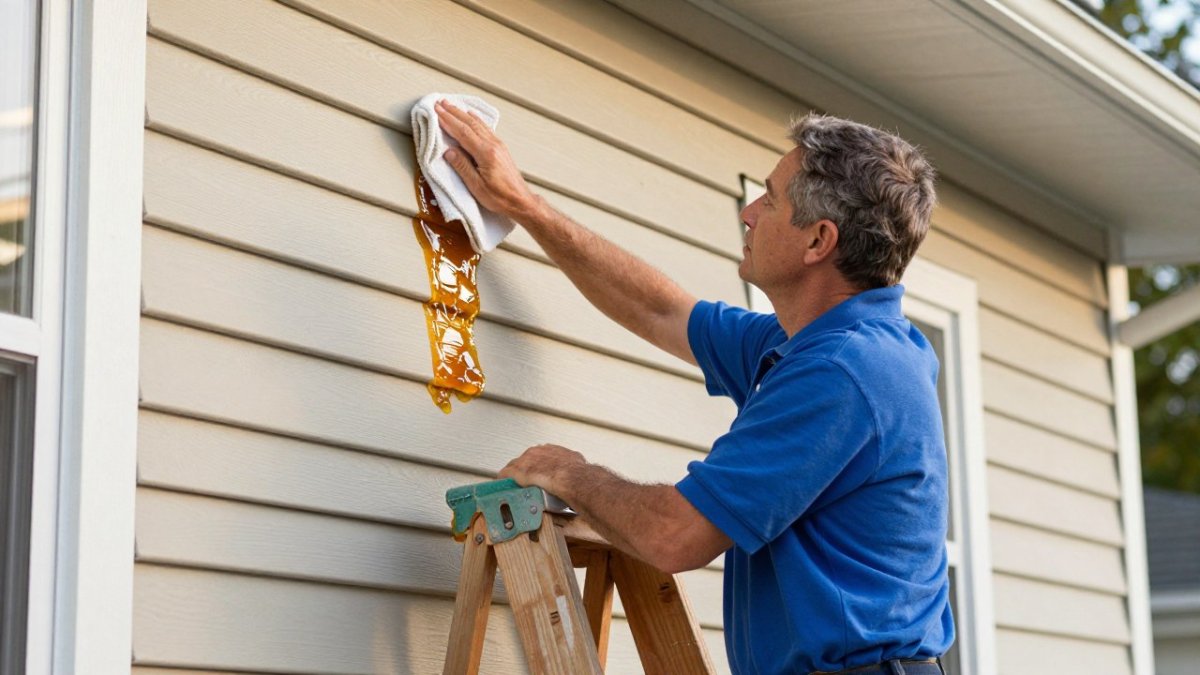
After soft washing, you may notice a faint film or streaking for a few days. This is usually leftover cleaning solution or surface dust drying unevenly. It typically fades as the surface dries and gets rinsed by rain.
Here is how to tell normal residue from a failed wash:
- Normal residue: Light haze or streaks that fade within a week or two
- Oxidation: Chalky or faded color on older paint or siding that was there before the wash
- Failed wash: Dark spots, patches or bands that look the same as before the wash
If a patch looks exactly like it did before the wash, the cleaning did not reach it. Note the location and talk to the provider.
House Washing Before and After: Results by Siding Material
Different materials respond differently. Here is what to look for on the most common surfaces:
- Vinyl siding: Should look even in color with no dark bands. Light fading from sun is normal.
- Painted wood: Should look clean without bare or peeling spots caused by the wash. Some older paint may look slightly chalky.
- Brick: Should look cleaner, with fewer dark stains. Mortar can take longer to dry.
- Stucco: Should look clean and even. Check for any soft spots or damage after the wash.
Check each material after a month. Compare the before-and-after photos you took to see whether the surface still looks the way it did right after the wash.
How to Evaluate a Contractor's One-Month Results
A fair one-month evaluation takes about 20 minutes and a little preparation. The goal is not to hunt for flaws but to compare the home to a documented baseline under similar conditions.
Step 1: Control the conditions. Evaluate on a dry day, at least 48 hours after the last rain, and at the same time of day you took your baseline photos.
Step 2: Walk every side in the same order. Start at the front and move clockwise, photographing each elevation from the same spot as your week-one baseline.
Step 3: Use material-specific criteria. Different surfaces fail in different ways, so judge each one on its own terms:
- Vinyl siding: Look for even color across panels and no dark bands running down from gutters or window frames. Slight fading from sun exposure is normal aging, not a wash defect. Check that weep holes at the bottom of panels are clear and that no cleaning solution residue remains trapped behind the siding.
- Painted wood and fiber cement: Look for clean, intact paint with no new blistering, peeling, or chalky film caused by the wash. Some older paint may look slightly chalky before the wash and remain so after; that is oxidation, not a failed cleaning. Compare to your baseline photos rather than to a new paint job.
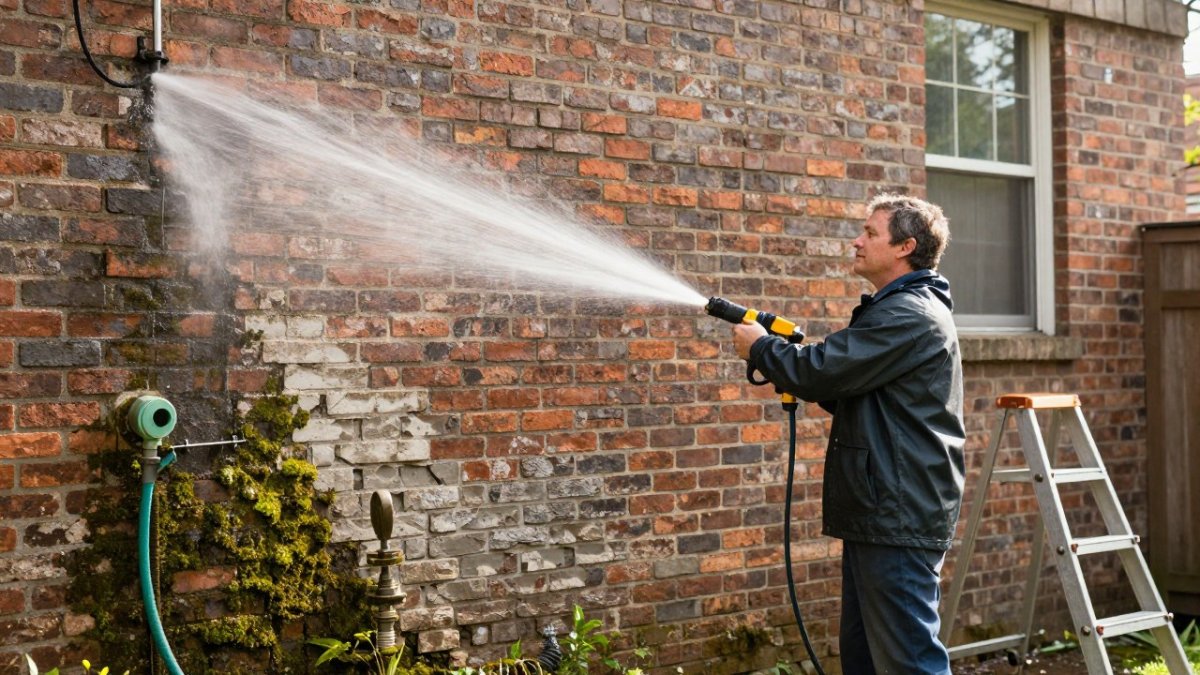
- Brick and masonry: Look for reduced dark staining and consistent mortar color. Mortar can stay damp longer than brick, so slight color variation in mortar joints a month out is common. Efflorescence, a white powdery deposit, can appear after washing and is usually a moisture issue rather than a cleaning failure.
- Stucco: Look for even color and no soft or crumbling spots. Stucco should be cleaned with care, since excessive pressure can force water behind the finish. If you see new cracks or soft areas after a wash, document them and raise them with the provider promptly.
Step 4: Distinguish normal change from a failed wash. Normal change includes light dust or pollen on horizontal surfaces, slight fading on sun-facing walls, and a few new specks in chronically damp shade.
Step 5: Document and communicate. Write down each concern with a photo, the side of the house, and the date. Then contact the provider and ask for a spot check.
Step 6: Know what is not the contractor's responsibility. A one-month evaluation is not the right time to judge pre-existing damage, old oxidation, or growth caused by a sprinkler hitting the wall daily. Those are maintenance issues.
Watch out: Repeat high-pressure washing can damage siding, force water behind exterior finishes, and strip paint, so a gentler, targeted correction is generally the better first step.
Booking Your Follow-Up Check With Soul Cleanse
A one-month check is a good time to confirm your results and plan the next cleaning. At Soul Cleanse, we can look over your home with you, note any areas that need attention and suggest a maintenance schedule that fits your property. If you are ready to book a follow-up or a new house wash, schedule your house washing service and we will help you plan the next step.
Many homeowners also want to know how long results last in North Alabama. For local timelines and a maintenance plan, read how long a professional house wash lasts in North Alabama. If your siding looks uneven after washing, compare soft washing and pressure washing for your siding to see which method suits your home.
Get a quote from Soul Cleanse today and let us help keep your home looking its best.
Frequently Asked Questions
What should a house look like one month after professional washing?
After one month, the siding should look uniformly clean, with no visible green, black, or gray growth in the areas that were treated. Some light dullness or faint streaking can remain, especially on shaded north-facing walls, and that is normal. Compare the surfaces to the day-of photos you took and check the gutters, soffits and any walkways. If stains are patchy or the same spots are darkening again, that points to a problem worth raising with the contractor rather than normal weathering.
How long do professional house-washing results usually last?
Results vary by surface, shade, tree cover and local humidity. Homes in damp, shaded areas often see growth return within several months, while sunny, well-ventilated walls can stay clean much longer. Plan on a re-wash or maintenance check periodically, adjusting for how fast your home shows growth.
Can mildew come back within a month of a house wash?
Mildew can reappear quickly if the wash left the surface damp, if nearby trees or gutters keep the wall wet, or if the treatment was too light to kill the spores. Light spotting within the first month often comes from spores that were already present on the surface and were not fully treated. If growth returns in the same pattern and spreads, ask the contractor to inspect the wash method and the surrounding moisture sources.
Why are there still spots or streaks after a professional house wash?
Streaks usually come from soap residue that was not rinsed fully, water spots from hard water drying on the surface, or oxidation on older painted or vinyl surfaces. Oxidation can look like a faint chalky haze and is often different from a true failed wash. Rinse-water quality, wind during drying and the timing of the rinse all affect how spotty the finish looks, so ask the contractor what rinse process was used.