 How-to
Does Sealing Pavers Stop Weeds? What to Expect
Quick Summary
Sealing pavers reduces weed growth but does not stop it completely. The sealer makes it harder for seeds and debris to settle and root on the surface, but it does not block weeds already growing from the joint sand. Sealing works best alongside clean joints, good joint sand, and regular upkeep.
- Sealing pavers blocks surface seeds but does not stop roots already in the joint sand.
- Clean the pavers, clear the joints, and let everything dry before applying sealer.
- Polymeric sand resists washout better than regular joint sand but must be activated carefully.
- Sealing over eroded or debris-filled joints can trap moisture and make weeds worse.
- Check sealed pavers each season and reseal when water stops beading on the surface.
Table of Contents
- Why Weeds Grow Between Pavers in the First Place
- Does Sealing Pavers Prevent Weed Growth Completely?
- How Joint Sand Choice Affects Weed Control
- How to Stop Weeds Between Pavers Before You Seal
- Step-by-Step: Sealing Pavers to Limit Weed Growth
- Paver Sealing Pros and Cons
- Maintenance, Resealing Timelines and Common Questions
- Get a Quote for Your Paver Patio or Walkway
- Frequently Asked Questions
Why Weeds Grow Between Pavers in the First Place
Weeds between pavers rarely come from the surface alone. Most of the trouble starts in the joints, the narrow gaps filled with sand that hold the stones in place. When those joints hold moisture, organic debris, and windblown seeds, weeds find a foothold.
Knowing where weeds come from changes how you deal with them. Two sources matter most.
Weeds rooted in joint sand vs. seeds landing on top
Some weeds grow from roots already sitting in the joint sand. These are the hardest to fix, because sealing alone does not reach the root.
A quick test: pull a weed gently. If the root comes up with a small plug of sand, the problem is in the joint.
Most patios have both types at once. Treat each one separately for the best results.
Does Sealing Pavers Prevent Weed Growth Completely?
No. Sealing pavers reduces weed growth, but it does not stop it completely.
Sealer does not block weeds already growing in the joints. Roots that reach through the sand can still push up through the gaps.
A common approach is to clean and clear the joints first, then seal, then check the patio a few times a season.
How Joint Sand Choice Affects Weed Control
The sand in your joints is the first line of defense against weeds, and the type you choose matters more than most homeowners realize. Loose, plain sand washes out with rain, leaves gaps where seeds settle, and gives roots an easy path. Polymeric sand, a sand mixed with a binding agent, hardens when activated with water and resists washout far better.
Polymeric vs. regular joint sand
Regular joint sand is inexpensive and easy to sweep in, but it stays loose. Over a season of rain and foot traffic, it migrates out of the joints, and every low spot becomes a seedbed. Polymeric sand costs more per bag but cures into a semi-rigid joint that sheds water and resists washout. The trade-off is installation sensitivity: polymeric sand must be installed dry, swept fully into the joints, compacted, and then activated with a controlled water mist.
Filling and curing joints correctly
Joint depth and width drive performance. Most manufacturers specify a minimum joint width and a fill depth that leaves the sand slightly below the paver surface, often about 1/8 inch below the chamfer, so the sand can lock without sitting proud and scuffing. Fill the joints completely; empty or half-filled joints are an open invitation to weeds.
Sealer is not a substitute for sound joints
A sealer bonds to the paver surface and, depending on the product, may bridge slightly into the joint, but it does not rebuild missing sand or stabilize a washed-out joint. If the joints are eroded, cracked, or filled with organic debris, sealing over them traps moisture and debris and can make weed pressure worse. The correct sequence is to restore the joint sand first, cure it, clean the surface, and then seal.
Matching sand to paver type and joint width
Sand graded for your paver type and joint width matters. Too coarse, and it will not penetrate narrow joints; too fine, and it washes out or turns to mud. Concrete pavers, clay pavers, and natural-stone pavers each have recommended joint materials, and some natural stones are sensitive to polymeric binders or to the haze left by improper activation.
The sand you choose for the joints and how you install it both affect how well weeds are held back.
| Joint sand type | Main strength | Key drawback |
|---|---|---|
| Regular joint sand | Inexpensive and easy to sweep in | Stays loose and washes out with rain |
| Polymeric sand | Hardens and resists washout | Needs dry install and controlled water activation |
| Over-wetted polymeric | Not recommended | Can wash out the binder or leave haze |
| Under-wetted polymeric | Not recommended | Stays crumbly and erodes easily |
How to Stop Weeds Between Pavers Before You Seal
Before you apply any sealer, clear the surface and joints. Sealing over weeds and debris locks them in place and can make the problem worse. Start with these steps:
- Pull visible weeds by hand, including the roots when you can reach them
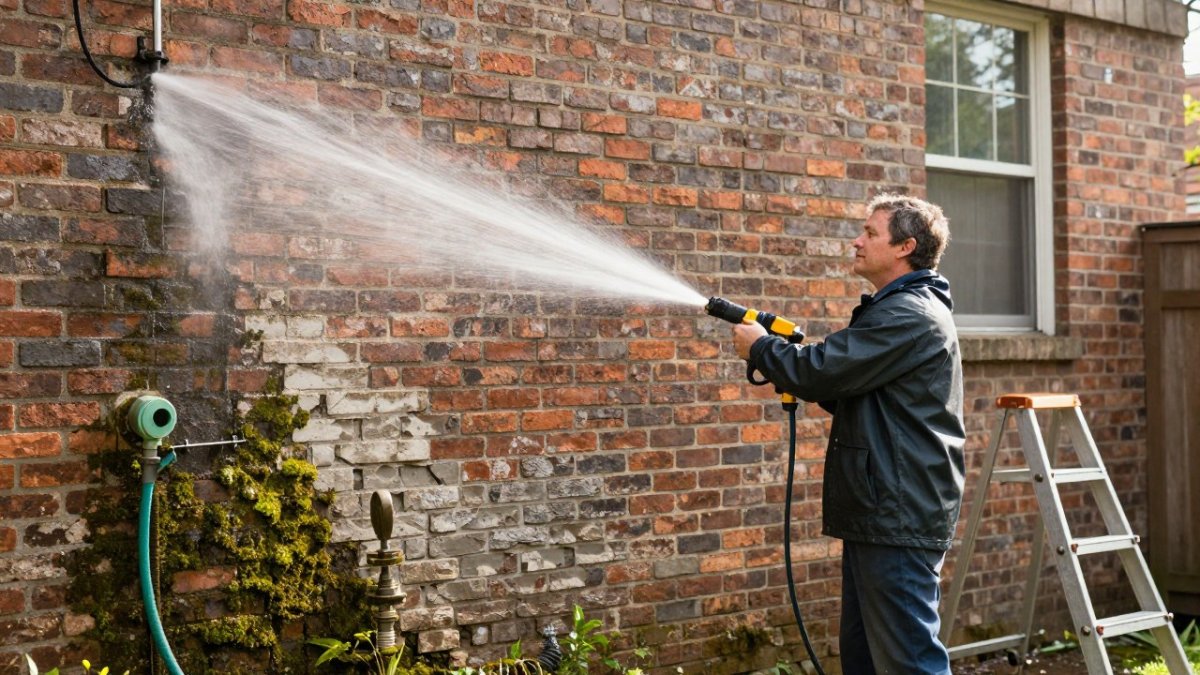
- Scrape out loose debris, moss, and dirt from the joints
- Wash the surface to remove residue that could block sealer from bonding
- Let the patio dry fully before sealing, which often takes a day or more
- Refill joints with fresh sand where it has washed out
Skipping these steps is a common mistake. A sealer applied over dirty pavers may peel, cloud, or trap the very weeds you wanted to stop.
Step-by-Step: Sealing Pavers to Limit Weed Growth
Follow these steps for a clean, even seal that helps limit weeds.
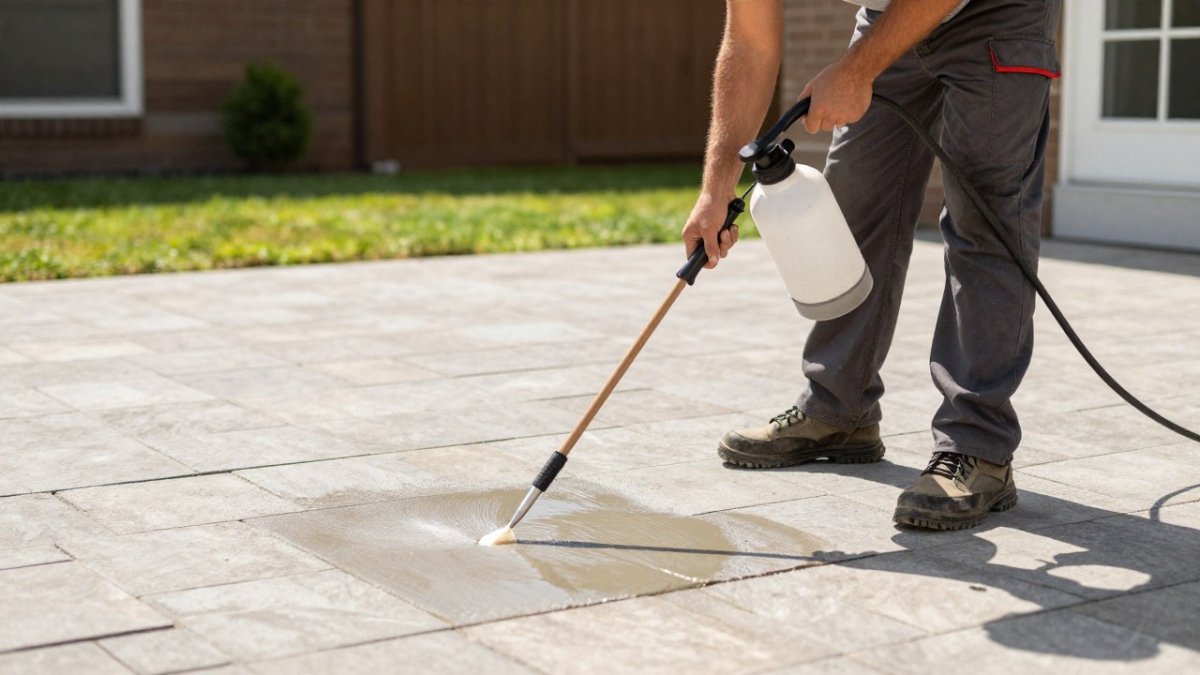
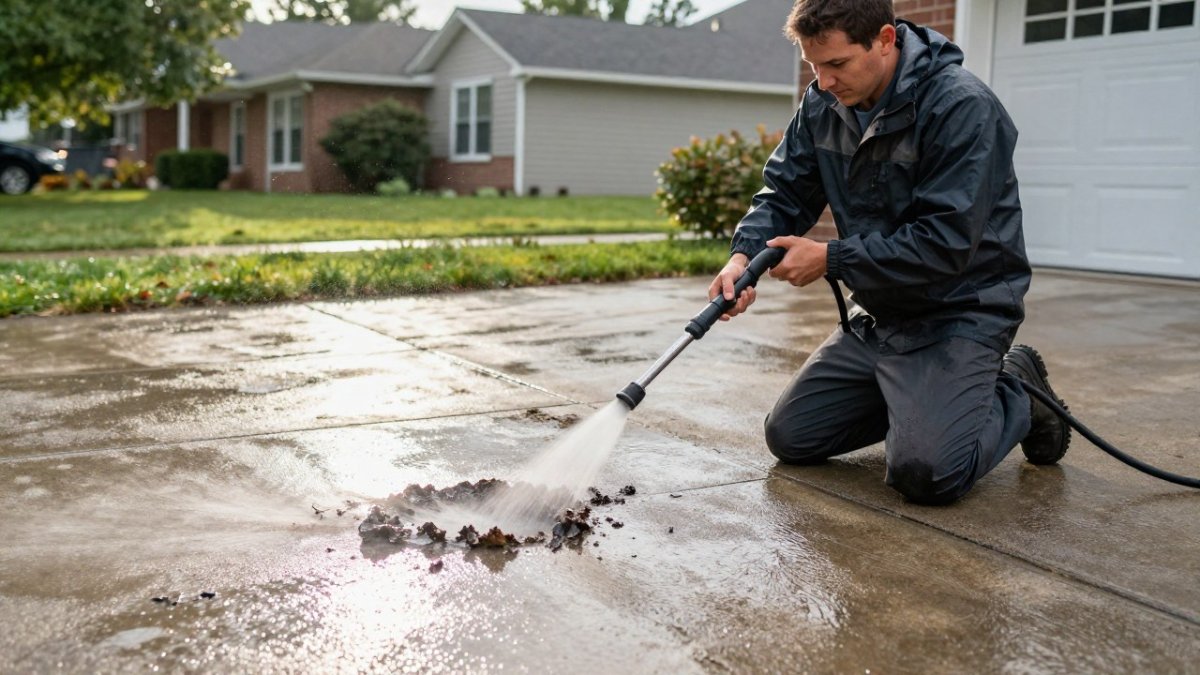
- Clean the pavers. Use a pressure washer on a gentle setting, or a stiff brush and a cleaning solution made for stone. Rinse well.
- Clear the joints. Remove weeds and loose sand, then add fresh joint sand if needed.
- Let it dry. Wait until the pavers and joints are completely dry. Check the weather forecast and avoid rain for the next 24 to 48 hours, or as the product label advises.
- Test a small area. Apply sealer to a hidden spot first to check how it looks.
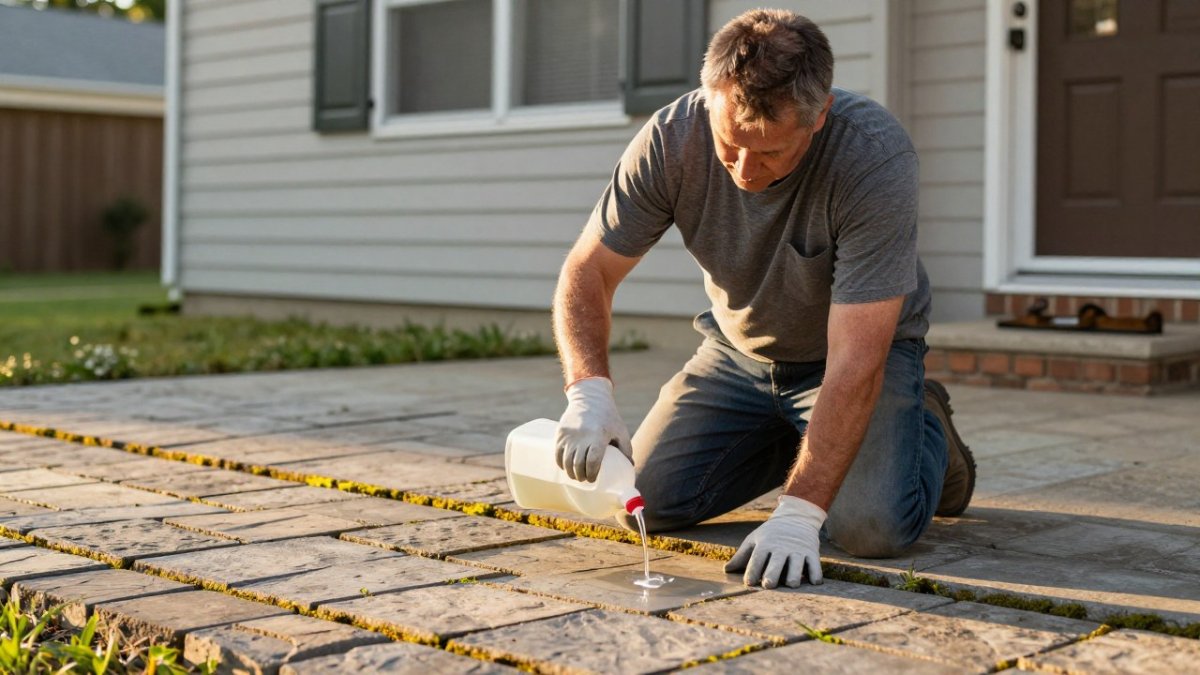
- Apply the sealer. Use a pump sprayer or roller, working in small sections. Follow the label for coverage rate and number of coats.
- Let it cure. Keep foot traffic off the patio for the time listed on the product label.
Work carefully around edges and joints, since those are where weeds usually start.
Cleaning and removing existing weeds first
Clean before you seal, every time. Pull weeds by hand after a rain, when roots lift more easily. Use a joint tool or stiff brush to loosen packed debris. If weeds keep returning from the joints, the sand may need replacing, not just cleaning. Soul Cleanse provides professional prep work for paver patios and walkways.
Paver Sealing Pros and Cons
Sealing has clear benefits and real limits. Weigh both before you decide.
Pros:
- Reduces weed seeds and moss from settling on the surface
- Helps keep stains and dirt from soaking into the stone
- Makes cleaning easier later
- Can add a richer color to the pavers
Cons:
- Does not stop weeds from roots already in the joints
- Needs reapplication over time
- Some sealers can look slick when wet, which may matter near pools or steps
- Poor prep leads to peeling or cloudy results
Sealing is most useful as one part of a weed plan that includes clean joints, good sand, and regular upkeep.
Maintenance, Resealing Timelines and Common Questions
Plan on checking your sealed pavers every season, but set realistic expectations: sealing reduces weed pressure, it does not eliminate it. Water beading and surface sheen are the practical cues, when water stops beading or the surface looks dull and chalky, it is time to evaluate resealing.
What drives resealing intervals
Sun exposure, freeze-thaw cycles, heavy foot or vehicle traffic, and shade all shorten sealer life. A shaded patio that stays damp will grow moss and algae faster and may need cleaning more often, even if the sealer itself is intact. A full-sun walkway with light traffic may hold up longer. Climate matters too: humid summers and frequent rain keep joints damp and speed organic growth, while arid conditions reduce moss but can degrade film-forming sealers faster through UV exposure.
Sealer compatibility and troubleshooting
Breathable penetrating sealers and film-forming surface sealers behave differently. Penetrating products soak in and leave the surface mostly unchanged, which reduces slip risk and haze but offers less surface barrier. Film-forming products create a coating that can be more effective at shedding debris but is more sensitive to moisture during application and to incompatible previous coatings. Before recoating, confirm what is already on the pavers; applying a solvent-based product over an incompatible acrylic, or vice versa, can cause lifting, cloudiness, or tackiness.
Slip resistance and safety
Some sealers change surface texture and can become slick when wet, which matters near pools, steps, and sloped walkways. Choose a product labeled for slip resistance or add a manufacturer-approved anti-slip additive. Test a small hidden area first to judge appearance and traction before committing to the whole patio.
Cleaning and weed removal between reseals
Pull weeds by hand after rain, when roots lift more easily, and use a joint tool or stiff brush to loosen packed debris. Spot-clean stains and organic growth with a cleaner made for stone, rinse thoroughly, and let the surface dry before any touch-up sealing. If weeds keep returning from the joints despite clean sand and a sound seal, the joint sand may need replacing rather than another coat of sealer.
Common questions
Can I seal over weeds? It is better not to. Remove weeds and debris first so the sealer bonds well and does not trap organic matter.
Will sealing make my patio slippery? Some products do. Choose a slip-resistant formulation or additive if traction matters.
How long before I can walk on it? Follow the product label.
Why did weeds come back after sealing? Airborne seeds germinate in accumulated debris on the surface, and roots already in the joint sand can push up through gaps.
Get a Quote for Your Paver Patio or Walkway
Sealing works best when the prep is done right, and that is where many DIY attempts fall short. Soul Cleanse can help with cleaning for paver patios and walkways. Pricing depends on the size of the area, its condition, and the work involved, so the best next step is to request a quote. Get Quote!
Last Updated: November 19, 2026
Frequently Asked Questions
How can I seal my pavers to prevent weeds from growing?
Start by removing existing weeds and debris, then clean the pavers and joints so they are free of dirt and organic matter. Let the surface dry fully, check that joint sand is firm and filled, and apply a penetrating or surface sealer evenly with a sprayer or roller as the manufacturer directs. Sealing helps reduce weed growth by making the surface less hospitable and by stabilizing joint sand, but it does not guarantee that weeds will never appear. Expect to pull a few seeds that sprout in the joints over time, and plan to reapply sealer on the schedule the product specifies.
Is there a downside to sealing pavers?
Yes. Sealer can change the look of the pavers, sometimes adding a wet or darker sheen that some homeowners dislike. It can also become slippery when wet if the wrong product is chosen, and it needs periodic reapplication, typically every few years depending on traffic and weather exposure. Sealing does not stop weeds completely, so ongoing manual removal is still needed. Improper application can cause hazing or peeling, which may require stripping and redoing the job. Pricing varies by project size and surface condition, so request a quote from Soul Cleanse for current rates.
Does polymeric sand stop weeds between pavers?
Polymeric sand helps reduce weeds between pavers because it hardens when activated with water and locks the joints against seed establishment and erosion. It does not make joints weed-proof, since wind-blown seeds can still settle on top of the sand and sprout, and organic debris can build up over time. Choose a product labeled for your joint width, install it fully, compact it well, and activate it per the label. Pairing polymeric sand with sealing and periodic cleaning gives the best results for most patios and walkways.
Should you remove weeds before sealing pavers?
Yes. Removing weeds before sealing is important because sealer will not kill established roots, and trapped roots can keep pushing up through the joints. Pull weeds by hand or with a joint tool, remove as much root material as you can, and clean out loose debris. Then wash the surface and let it dry before applying sealer. Sealing over live weeds can leave them stuck in place and make them harder to remove later.