 Ultimate guide
Residential Pressure Washing Cost 2026 Guide
Table of Contents
- What Residential Pressure Washing Costs in 2026
- Pressure Washing Cost Per Square Foot Explained
- Pressure Washing Prices by Surface Type
- Factors That Affect Your Total Price
- How Often to Pressure Wash a House
- What to Include in Your Pressure Washing Quote Checklist
- Pressure Washing Versus Power Washing: Cost Differences
- DIY Versus Professional Service Costs
- Frequently Asked Questions
Last Updated: October 5, 2026
What Residential Pressure Washing Costs in 2026
Understanding pressure washing cost residential services shows that costs vary significantly based on home size, surface type, and job complexity.
For a typical single-story home with standard siding, concrete driveway, and patio, pricing depends on quantity, dates, and delivery. Two-story homes cost considerably more due to equipment and labor requirements. Three-story properties require specialized equipment and safety protocols that increase the total significantly.
The real cost drivers aren't what most homeowners think. It's not just about square footage, it's about surface material, existing stains, mold or mildew severity, water access, and whether you're doing a one-time cleaning or establishing regular maintenance. A driveway with years of grease buildup requires different techniques than fresh algae on vinyl siding.
Pressure Washing Cost Per Square Foot Explained
Pressure washing cost per square foot is one way to estimate residential cleaning expenses, though it's not the complete picture. Most professionals price based on the total project scope rather than a simple per-square-foot rate, because different surfaces demand different approaches.
When per-square-foot pricing is quoted, it typically ranges from lower amounts for straightforward concrete to higher amounts for delicate surfaces like vinyl siding or wood. A concrete driveway or patio generally falls at the lower end of the spectrum. Vinyl or brick siding costs more because the technique must be gentler to avoid damage.
The challenge with per-square-foot pricing is that it ignores complexity. A 500-square-foot driveway that's never been cleaned costs less than a 500-square-foot driveway caked with years of grease and oil stains. Similarly, a flat driveway takes less time than one with multiple levels or intricate landscaping around it.
Professional contractors often quote projects as a whole rather than by the square foot. This accounts for setup time, travel, equipment positioning, and the actual condition of the surfaces being cleaned. A transparent quote breaks down these elements so you understand what you're paying for.
Pressure Washing Prices by Surface Type
Different exterior surfaces require different pressure levels, cleaning solutions, and techniques. This is where the cost of pressure washing residential property becomes highly specific to your actual home.
House Siding and Exterior Walls
Siding is the most visible part of your home's exterior, and it's also one of the most sensitive to improper cleaning. Vinyl siding, brick, stone, and wood all respond differently to pressure and cleaning solutions.
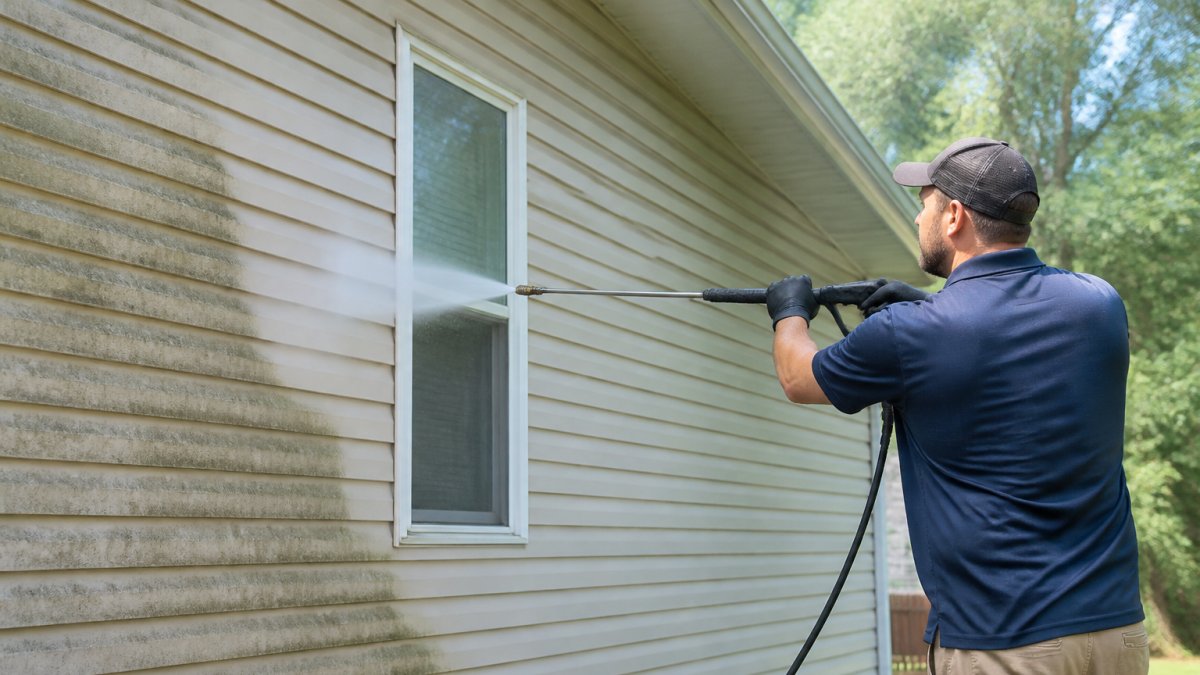
Vinyl siding is common on residential properties and relatively affordable to clean compared to other surfaces. However, it requires moderate pressure, too high and you force water behind the siding, creating moisture problems inside walls.
Brick and stone siding cost more to clean properly because these materials are porous and can absorb water. Soft washing, using lower pressure with specialized cleaning solutions, is often the better approach than high-pressure blasting. This protects the mortar joints and prevents water infiltration.
Wood siding is the most delicate. It requires soft washing techniques and careful attention to grain direction. Pressure that's too high splinters the wood and opens it to rot and insect damage. The investment in proper technique here prevents costly repairs down the road.
Concrete Driveways, Patios, and Sidewalks
Concrete is durable and can handle higher pressure, which is why driveway and patio cleaning often costs less per square foot than siding work. However, concrete condition varies widely.
A driveway with light surface dirt cleans quickly. Driveways stained with years of oil, grease, or rust require pre-treatment with specialized cleaning solutions and longer dwell time. Some stains never fully disappear, they're embedded in the concrete itself, but professional-grade equipment and solutions remove far more than DIY attempts.
Sidewalks and patios often accumulate algae, moss, and mildew, especially in shaded areas. These biological growths require the right cleaning solution more than high pressure. Pressure alone washes away the visible growth but leaves roots behind; proper treatment prevents rapid regrowth.
Stamped or decorative concrete costs more to clean because high pressure can damage the finish. Soft washing preserves the appearance while still removing dirt and biological growth.
Decks and Wood Surfaces
Wood decks are investments in outdoor living space, and they require the most careful cleaning approach. High pressure splinters wood fibers, opens the grain, and accelerates weathering and rot.
Soft washing with specialized wood-cleaning solutions removes dirt, mildew, and algae while preserving the wood's integrity. The cleaning solution does most of the work; pressure is minimal and carefully controlled. After cleaning, many homeowners apply sealant to protect the wood from UV damage and moisture.
Wooden fences, pergolas, and trim fall into the same category. They cost more to clean professionally because the technique is more involved, but the alternative, pressure damage that requires sanding and refinishing, is far more expensive.
Factors That Affect Your Total Price
The pressure washing cost residential property depends on several variables that professionals assess before quoting a job.
Home size and story count directly impact labor and equipment needs. A one-story home is faster and safer to clean than a two-story or three-story property.
Surface area and complexity matter more than you'd think. A simple rectangular driveway takes less time than one with multiple levels, curves, or landscaping obstacles.
Existing condition is a major cost driver. Fresh dirt and light algae clean quickly. Years of buildup, stubborn stains, mold, or graffiti require pre-treatment, longer dwell times, and sometimes multiple passes.
Water access and drainage affects setup and labor. If the water source is far from the work area, additional hose and equipment are needed. Poor drainage on the property can complicate the job.
Surface material determines pressure levels and cleaning solutions. Delicate surfaces like vinyl siding or wood require soft washing, which takes longer than high-pressure concrete cleaning.
Local market conditions influence pricing. Regional labor costs, equipment availability, and local competition affect what professionals charge.
How Often to Pressure Wash a House
The frequency of pressure washing depends on your climate, home location, and how much you value curb appeal and property preservation.
Most homeowners benefit from exterior cleaning every 1-2 years. This schedule removes accumulated dirt, mold, and mildew before they cause visible damage or create health concerns. Homes in humid climates with shade and moisture see biological growth faster and may need annual cleaning.
High-traffic areas like driveways and patios accumulate stains and debris more quickly than siding. Many homeowners clean these surfaces annually while washing siding every 2-3 years.
Homes in dry climates with minimal shade may need cleaning less frequently, every 2-3 years, because mold and algae growth is slower. Properties near the ocean or in areas with significant air pollution accumulate salt and particulates faster and benefit from more frequent cleaning.
Regular maintenance cleaning is far less expensive than letting dirt and biological growth accumulate. A home that's cleaned regularly stays cleaner longer and requires less aggressive techniques. Neglected properties need more intensive (and costly) cleaning to restore appearance.
What to Include in Your Pressure Washing Quote Checklist
A professional pressure washing quote should be transparent and itemized. Here's what to look for when evaluating estimates.
Scope of work should clearly list every surface being cleaned: siding, driveway, patio, deck, roof, gutters, or other areas.
Labor and equipment costs should be broken out. This shows you what you're paying for and helps you compare quotes fairly.
Cleaning solutions and treatments matter. Ask what products are being used and why. Some situations require specialized solutions for mold, grease, or algae.
Additional services might include gutter cleaning, roof cleaning, window cleaning, or sealing/treatment after washing. These add value but also increase the total cost. Understand what's included and what's optional.
Timeline and scheduling should be specified. How long will the job take? Will it be completed in one day or require multiple visits? Are there weather or seasonal considerations?
Insurance and licensing are non-negotiable. Ask for proof of liability insurance and any relevant licenses or certifications. This protects you if property damage occurs during the work.
Guarantees and follow-up matter. What happens if you're not satisfied? Does the provider offer touch-ups or adjustments?
Pressure Washing Versus Power Washing: Cost Differences
The terms "pressure washing" and "power washing" are often used interchangeably, but they describe slightly different techniques.
Pressure washing uses high-pressure water alone to clean surfaces. The water pressure, typically 1,500-4,000 PSI depending on the surface, blasts away dirt, algae, and stains. This method works well on concrete, driveways, and patios where surfaces can handle high pressure without damage.
Power washing adds heat to the water, raising the temperature to 150-200 degrees Fahrenheit or higher. Hot water breaks down grease and oil more effectively than cold water, making it superior for driveways with heavy grease buildup, commercial kitchens, or industrial surfaces.
The added effectiveness on stubborn grease stains often justifies the higher cost for problem areas.
For most residential exterior cleaning, siding, patios, and general dirt removal, standard pressure washing is sufficient and more cost-effective. Power washing makes sense for specific challenges like heavy grease or oil stains where cold water pressure alone won't deliver results.
Soft washing, a third technique, uses low pressure with specialized cleaning solutions. It's gentler than both pressure and power washing, making it ideal for vinyl siding, wood, and delicate surfaces.
DIY Versus Professional Service Costs
The decision between DIY pressure washing and hiring professionals involves more than just comparing equipment rental costs to service prices.
DIY pressure washing requires renting or purchasing equipment. For a one-time job on a small driveway, this might seem economical.
However, DIY work carries real risks. Improper pressure damages siding, forces water into walls, splinters wood, or etches concrete. These repairs cost significantly more than professional cleaning would have.
Professional services handle the equipment, know the proper pressure for each surface, use appropriate cleaning solutions, and carry insurance if something goes wrong. The cost reflects expertise, equipment investment, and accountability.
For homeowners selling property or maintaining rental units, professional cleaning delivers visible results that justify the investment.
A professional quote is a reasonable first step, it costs nothing and shows you what actual market pricing looks like for your specific property and needs.
Understanding the cost of pressure washing residential property means evaluating your home's specific needs, not just shopping for the lowest price. Different surfaces, existing conditions, and property sizes all affect what you'll actually pay.
Frequently Asked Questions
How much does residential pressure washing typically cost in 2026?
Residential pressure washing costs depend on your home size, surface type, and job scope. Most homeowners invest in exterior cleaning to enhance curb appeal and preserve siding, concrete, and deck surfaces. Pricing varies significantly by region, property condition, and whether you need soft washing for delicate materials or high-pressure cleaning for concrete. Contact a local professional for a detailed estimate based on your specific property.
What factors affect the cost of residential pressure washing?
Key factors include square footage, surface material (vinyl siding, brick, or concrete require different approaches), surface condition (heavy mildew or stains cost more), water access, property height and accessibility, and job complexity. Regional labor rates and seasonal demand also influence pricing. A professional quote should itemize these factors so you understand what drives the total cost.
How often should you have your house pressure washed?
Most homeowners benefit from pressure washing every 1-3 years, depending on climate, surrounding trees, and surface type. Areas with high humidity, mold, or algae growth may need annual cleaning. Concrete surfaces like driveways accumulate dirt faster than vinyl siding. A professional can assess your property and recommend a maintenance schedule that preserves your exterior surfaces and prevents costly damage.
What should a pressure washing quote include?
A complete quote should list the surfaces being cleaned (siding, driveway, patio, deck), square footage or linear dimensions, cleaning method (pressure or soft washing), equipment and solution type, water access requirements, labor hours, insurance and licensing details, and any guarantees. It should also specify what is not included, such as roof cleaning or gutter work. Review multiple quotes to compare pricing and service scope before hiring.