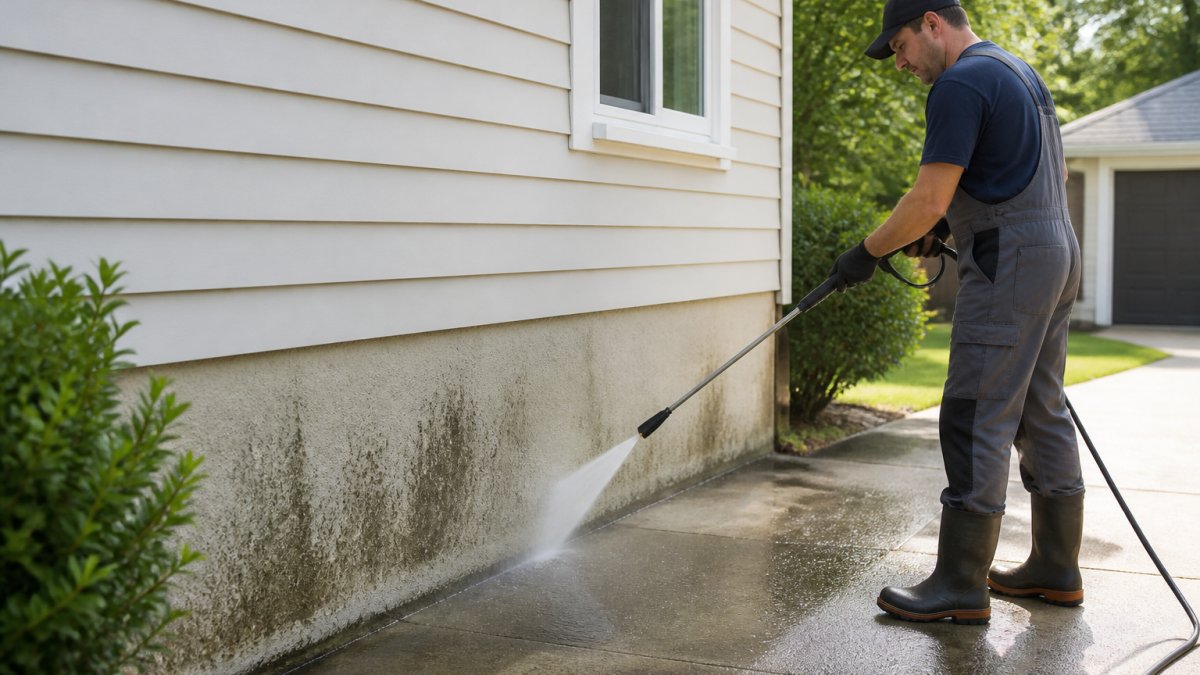
 ultimate-guide
Why Professional Pressure Washing Prevents Damage
Table of Contents
- How Professional Pressure Washing Prevents Structural Damage
- Understanding PSI, Nozzle Selection, and Material Protection
- Pressure Washing vs Power Washing for Driveways: Why Method Matters
- Soft Washing Benefits for Siding and Delicate Surfaces
- How to Prevent Wood Damage During Pressure Washing
- Removing Organic Growth: Mold, Mildew, and Algae Without Creating Water Damage
- Common DIY Pressure Washing Mistakes That Cost Homeowners Thousands
- Extending the Lifespan of Exterior Surfaces Through Professional Maintenance
- Frequently Asked Questions
Last Updated: September 27, 2026
How Professional Pressure Washing Prevents Structural Damage
Professional pressure washing prevents damage by combining precise equipment control, material-specific knowledge, and protective techniques that DIY approaches typically lack. The difference between a cleaned surface and a damaged one often comes down to understanding what pressure level each material can safely handle.
When water hits a surface at the wrong pressure, it doesn't just remove dirt, it forces moisture into microscopic cracks and pores. Over months and years, this trapped water freezes, thaws, and expands, breaking down the structural integrity of wood, brick, concrete, and siding. Professional teams at Soul Cleanse understand these thresholds. They know which surfaces need chemical treatment instead of force.
The real damage prevention happens before the water even flows. Professionals assess substrate condition, identify vulnerable areas, and choose the right combination of pressure, nozzle type, and cleaning method. A homeowner blasting away with a rental unit has none of this knowledge. They see dirt and apply maximum pressure, which is exactly how structural damage begins.
Understanding PSI, Nozzle Selection, and Material Protection
PSI (pounds per square inch) is the measurement of water pressure force. Selecting the right PSI for each surface is the cornerstone of damage prevention. Different materials have different breaking points, and exceeding them causes permanent damage.
Concrete driveways typically tolerate 3,000-3,500 PSI without surface etching, but softer concrete or newly poured surfaces can etch at 2,500 PSI. Wood decks require 1,200-1,500 PSI maximum, and pressure above that strips protective sealant and splinters the grain. Brick and stone are deceptively fragile, mortar deteriorates rapidly above 1,500 PSI, and exceeding that pressure can compromise structural integrity between bricks.
Nozzle selection works hand-in-hand with PSI. A 0-degree nozzle concentrates all water force into a pinpoint, creating extreme pressure at the surface. A 25-degree nozzle spreads that same pressure across a wider area, reducing impact force significantly. A 40-degree nozzle disperses pressure even further. Professional teams choose nozzles based on the specific surface and the dirt being removed. Stubborn grease stains on concrete might need a specific nozzle and pressure, while mold on vinyl siding requires a different approach with chemical treatment.
The mistake most homeowners make is assuming higher pressure always works better. It doesn't. A lower pressure with the right nozzle and cleaning agent removes dirt more effectively than brute force, and it leaves the surface intact. Professional pressure washing prevents damage because it applies exactly the right amount of force, not more, not less.
Pressure Washing vs Power Washing for Driveways: Why Method Matters
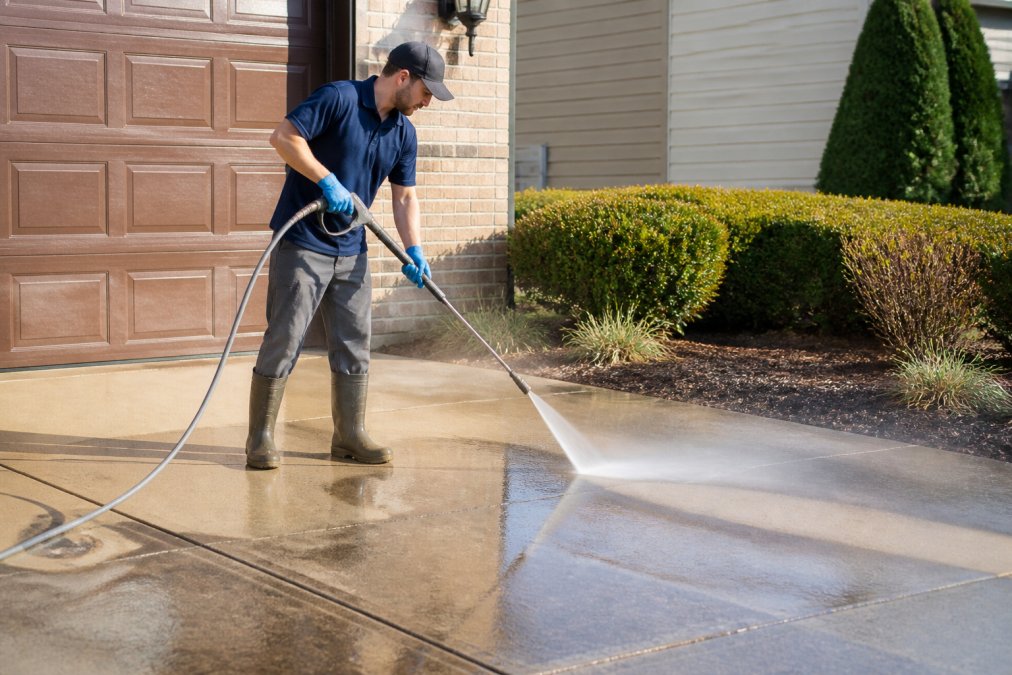
Pressure washing and power washing sound identical, but the distinction matters for driveway preservation. Pressure washing uses cold water forced through a nozzle at high PSI. Power washing heats the water before pressurizing it, typically to 150-200°F.
Hot water dissolves grease and oil more effectively than cold water, which is why power washing excels at removing stubborn stains from driveways. However, the heat can damage certain surfaces. Newly sealed asphalt can soften under hot water pressure. Concrete with existing hairline cracks can experience thermal shock, the rapid temperature change causes the concrete to expand and contract, widening cracks. Composite materials and some sealants degrade faster when exposed to sustained heat.
For most residential driveways, cold-water pressure washing is the safer choice. It removes dirt, algae, and mold effectively without thermal stress. When grease stains resist cold water, professional teams add specialized detergents that break down oil chemically, then use moderate pressure to rinse. This approach removes the stain without risking heat damage.
The real advantage of professional pressure washing versus DIY power washing is that professionals know which method suits which problem. They assess the driveway material, age, existing condition, and stain type before choosing between pressure and power washing. Soul Cleanse technicians evaluate these factors on every job.
Soft Washing Benefits for Siding and Delicate Surfaces
Soft washing is a gentler cleaning method that uses lower pressure (typically 500 PSI or less) combined with specialized detergents to remove organic growth and contaminants. It's the preferred method for delicate surfaces where traditional pressure washing would cause damage.
Vinyl siding, wood siding, stucco, and composite materials all benefit from soft washing. The method allows detergent to do the chemical work of breaking down mold, mildew, and algae, while water merely rinses away the loosened debris. This approach prevents the water damage that comes from forcing moisture into siding seams and behind trim.
Soft washing also extends surface lifespan by avoiding the micro-abrasion that high-pressure water creates. Each time a high-pressure stream hits a surface, it leaves microscopic scratches. Over years, these scratches accumulate, creating a dull, weathered appearance and opening pathways for water infiltration. Soft washing eliminates this cumulative damage.
The challenge with soft washing is that it requires knowledge of which detergents work on which surfaces and how long they need to dwell on the surface before rinsing. Household cleaners are too weak and can leave residue. Industrial-strength chemicals can damage paint or discolor siding if left too long. Professional teams understand the chemistry involved, they know which detergents are safe for each material, and how to rinse thoroughly without leaving chemical residue.
How to Prevent Wood Damage During Pressure Washing
Wood is the most pressure-sensitive material found on residential exteriors. Decks, wooden siding, fences, and trim all splinter, check, and deteriorate rapidly when exposed to excessive pressure. Preventing wood damage requires respecting the material's limitations and understanding how moisture affects it.
The maximum safe pressure for most wood varies depending on the type and condition. In many cases, soft washing is the appropriate method.
Distance matters as much as PSI. Pressure increases dramatically as the nozzle approaches the surface. A nozzle held 12 inches away at 1,500 PSI can deliver 3,000+ PSI at the wood surface due to pressure concentration. Professionals maintain proper distance to keep actual pressure within safe limits.
The bigger threat to wood isn't the initial cleaning but the moisture that gets trapped inside. High-pressure water forces moisture deep into wood grain and behind protective sealant. This moisture then migrates into the wood structure, causing rot, swelling, and deterioration. Professional pressure washing prevents this by using lower pressure and allowing proper drying time between cleaning and sealing.
Removing Organic Growth: Mold, Mildew, and Algae Without Creating Water Damage
Mold, mildew, and algae aren't just cosmetic problems, they trap moisture against surfaces and accelerate deterioration. However, removing them without creating water damage requires the right approach.
High-pressure blasting kills organic growth but forces water deep into siding seams, trim joints, and behind exterior materials. This trapped moisture can lead to interior water damage, rot, and mold growth inside walls. The fix is worse than the original problem.
Professional teams use soft washing to safely remove organic growth. A specialized detergent kills mold and mildew spores at the root, preventing regrowth. Low-pressure rinsing removes the dead growth without forcing water into building cavities. On delicate surfaces like vinyl siding, this is the only appropriate method.
For roofs, the challenge is steeper because water naturally flows downward. Professional roof cleaning uses lower pressure combined with detergent that kills algae and mold spores. The key is allowing the detergent to do the work while preventing water from being forced under shingles or into roof penetrations.
The timing of organic growth removal matters too. Cleaning during dry seasons allows surfaces to dry completely afterward, reducing the risk of trapped moisture. Professional teams schedule mold and mildew removal when weather forecasts show several dry days ahead.
Common DIY Pressure Washing Mistakes That Cost Homeowners Thousands
The most expensive DIY pressure washing mistakes stem from not understanding pressure limits and material vulnerability.
Extending the Lifespan of Exterior Surfaces Through Professional Maintenance
Professional pressure washing, when done correctly, extends the lifespan of exterior surfaces. Regular maintenance removes contaminants that would otherwise accelerate deterioration, and proper technique prevents the damage that shortens surface life.
Frequently Asked Questions
Why is professional pressure washing safer than DIY pressure washing for my home?
Professional technicians understand PSI thresholds for different surfaces, concrete, wood, brick, and siding all have damage limits. DIY equipment often lacks precision controls, leading to surface etching, substrate damage, and water infiltration into walls. Professionals also know nozzle selection and angle techniques that prevent water from forcing behind siding or into roof gaps, which causes costly water damage and rot. Insurance and liability coverage protects you if something goes wrong.
Can professional pressure washing actually remove mold and mildew without causing leaks?
Yes. Professional soft washing uses low-pressure chemical treatments combined with specialized detergents designed to kill organic growth at the source. Unlike high-pressure blasting, soft washing won't force water into wall cavities or behind siding. The chemical does the work; water rinse is gentle. For roof and siding mold, professionals use techniques that direct runoff safely away from foundation and entry points, preventing water infiltration that causes structural damage and interior mold.
What's the difference between pressure washing and soft washing for my siding?
Pressure washing uses high PSI and works well on concrete and metal. Soft washing uses lower PSI combined with biodegradable detergents, making it ideal for wood, vinyl, and composite siding. Soft washing removes mildew, algae, and mold without surface etching or substrate damage. Professional soft washing preserves the integrity of delicate materials while still delivering thorough cleaning, especially important for older homes or premium siding materials that can't withstand high pressure.
How much does professional pressure washing cost, and is it worth it before selling my home?
Pricing depends on property size, surface type, contamination level, and frequency. Contact Soul Cleanse for a quote tailored to your specific needs. For home sales, professional cleaning typically increases curb appeal significantly and can justify higher listing prices. Buyers notice clean driveways, mold-free siding, and well-maintained exteriors. Investing in professional cleaning before listing often returns value through faster sales and better offers, especially in competitive markets.