 blog
What Are the Best Products for Removing Roof Mildew?
Last Updated: October 24, 2026
Quick Summary
The best roof mildew removal products include enzyme-based cleaners for asphalt shingles, bleach-based solutions for heavy infestations, oxygen-based cleaners for rubber roofs, and surfactant-based products for moderate growth. Most roof mildew removal products require 24-48 hours to work effectively and should never be rinsed immediately after application.
- Enzyme-based cleaners are gentler on asphalt shingles and safer for surrounding landscaping than bleach-based products.
- Bleach-based products typically contain 10-20% sodium hypochlorite and kill mildew quickly but may discolor surrounding materials.
- Oxygen-based cleaners are biodegradable and ideal for rubber roofs without damaging the membrane.
- Always test products on a small area first and allow 24-48 hours before rinsing to ensure effectiveness.
- Never mix different roof mildew removal products together as chemical combinations can create toxic reactions.
Table of Contents
- Why Roof Mildew Removal Matters for Your Home
- How to Remove Mildew from Roof Shingles Effectively
- Roof Cleaner for Asphalt Shingles: Product Selection and Application
- Roof Cleaner for Rubber Roofs: Safe and Effective Solutions
- Spray-On Roof Cleaner Options: Convenience and Results
- Common Mistakes to Avoid When Treating Roof Mildew
- Get Your Roof Professionally Cleaned and Protected
- Frequently Asked Questions
Why Roof Mildew Removal Matters for Your Home
Roof mildew doesn't just look unsightly, it signals moisture problems that can compromise your home's structural integrity. Dark streaks and discoloration on your roof shingles indicate mold and mildew growth, which thrives in damp environments and spreads rapidly if left untreated.
The real concern isn't appearance alone. Mildew feeds on organic materials in your shingles, gradually breaking them down. This accelerates deterioration and shortens your roof's lifespan. Beyond structural damage, mold spores can become airborne and affect indoor air quality, particularly problematic for households with respiratory sensitivities (the CDC).
Understanding the best products for removing roof mildew helps you make an informed choice between DIY treatment and professional intervention. The products available range from chemical-based cleaners to gentler, enzyme-based solutions, each with distinct applications depending on your roof material and the severity of growth.
How to Remove Mildew from Roof Shingles Effectively
The most effective approach to removing roof mildew depends on early identification and the right product selection. Start by inspecting your roof from the ground with binoculars or from a safe vantage point. Look for dark streaks running down shingles, these are typically algae and mildew colonies, not dirt or debris.
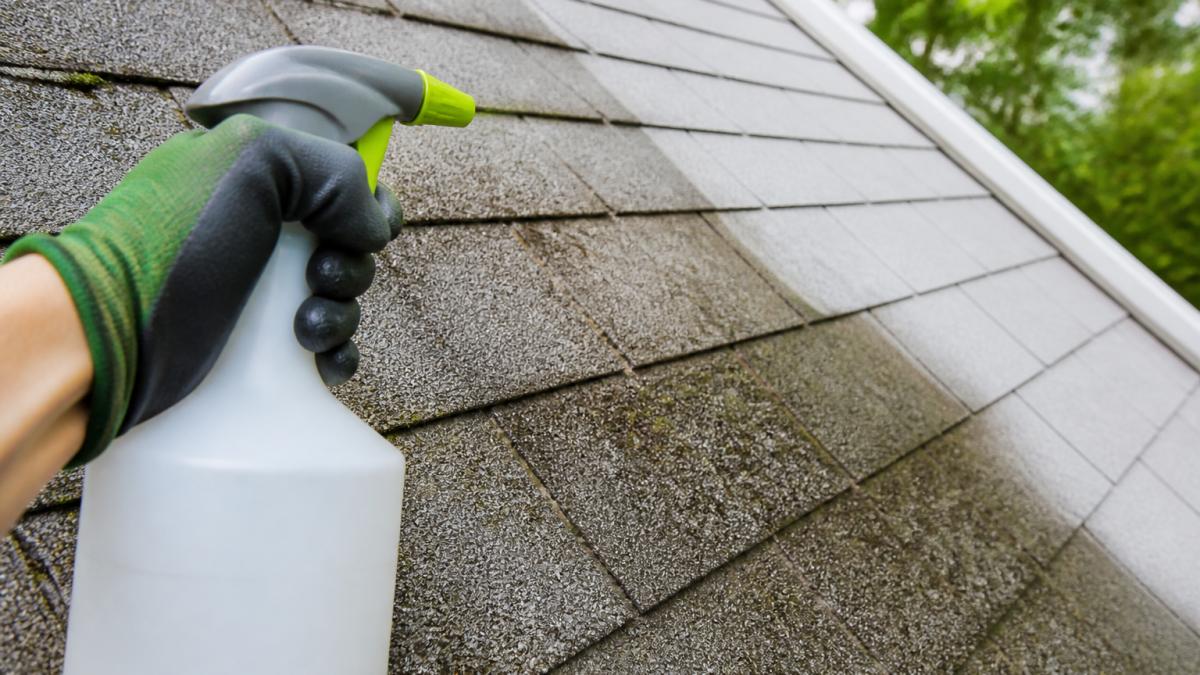
Before applying any treatment, clear debris from your roof and gutters. Leaves and dirt trap moisture, creating ideal conditions for mildew regrowth. Once the surface is clean, apply your chosen mildew removal product according to manufacturer instructions. Most effective products work through a combination of surfactants that break down the mildew's protective layer and active ingredients that kill the organism at its source.
A common mistake is expecting immediate results. Quality roof mildew removal products work gradually, often requiring 24-48 hours for full effectiveness. Rushing the process or applying excessive product doesn't accelerate results, it wastes material and can damage shingles. The product needs time to penetrate and eliminate the mildew at the root, not just the surface.
Watch out: Never use high-pressure washing immediately after applying chemical treatments. The pressure can force water under shingles and cause leaks. Allow the product to work, then rinse gently with low-pressure water or wait for natural rainfall.
Roof Cleaner for Asphalt Shingles: Product Selection and Application
Asphalt shingles are the most common roofing material in residential properties, but they're also vulnerable to mildew growth. The porous surface of asphalt attracts moisture and provides an ideal breeding ground for mold. When selecting a roof cleaner for asphalt shingles, you need a product that kills mildew without degrading the shingle material itself.
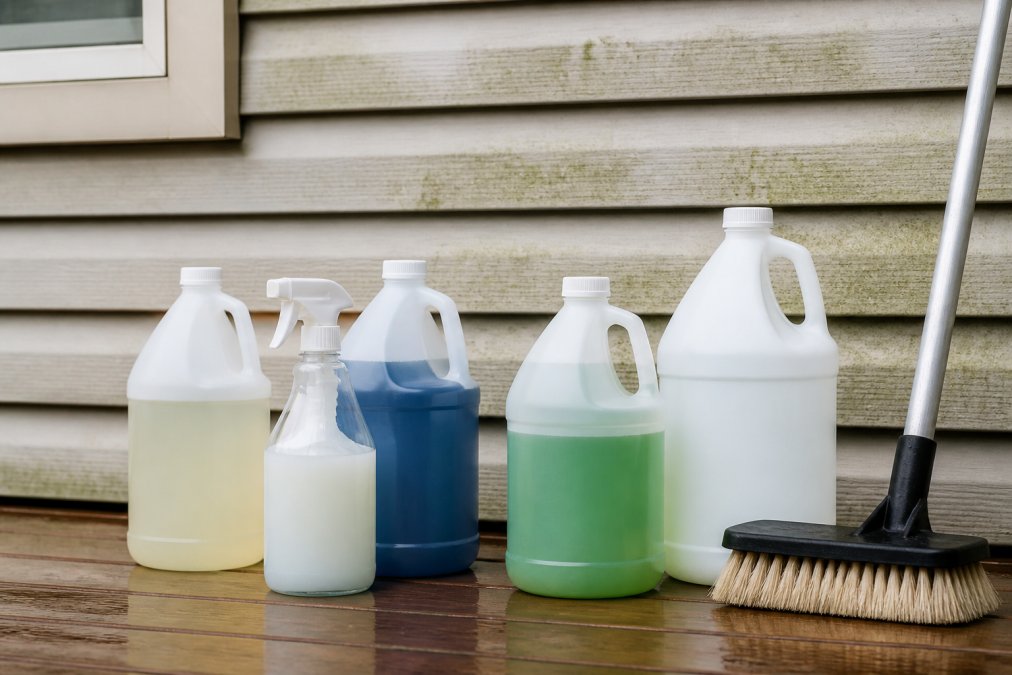
Enzyme-based cleaners have gained popularity for asphalt shingle treatment because they target organic growth without harsh chemicals. These products use naturally occurring enzymes to break down the cellular structure of mildew and algae. They're gentler on shingles than bleach-based solutions and pose fewer risks to surrounding landscaping.
Bleach-based products remain effective for severe mildew infestations on asphalt shingles. Typically formulated at 10-20% sodium hypochlorite concentration, these cleaners kill mildew quickly and prevent regrowth for several months. The trade-off is potential discoloration of surrounding materials and environmental considerations. Always follow label directions precisely and wear appropriate protective equipment when handling bleach-based products.
Surfactant-based cleaners occupy the middle ground, combining mild chemical action with physical cleaning agents. These products work by allowing water to penetrate the mildew's protective biofilm, making it easier to rinse away. They're safer than bleach for most homeowners and effective on moderate mildew growth.
Roof Cleaner for Rubber Roofs: Safe and Effective Solutions
Rubber roofs, commonly found on flat-roofed commercial buildings and some residential properties, require specialized treatment. The rubber membrane is sensitive to harsh chemicals and high-pressure water, making product selection critical for roof mildew removal on these surfaces.
Mild, pH-neutral cleaners are essential for rubber roof maintenance. These products clean effectively without compromising the rubber's integrity or causing premature aging. Many commercial rubber roof cleaners are specifically formulated to avoid degrading the sealant layers that protect the membrane from water infiltration.
Oxygen-based cleaners represent an excellent option for rubber roofs. These products use hydrogen peroxide and oxygen to break down organic growth without aggressive chemical action. They're biodegradable, environmentally friendly, and safe for most rubber roof systems. The cleaning action is slower than bleach-based products, but the reduced risk of damage makes them preferable for valuable roof systems.
When treating rubber roofs, always test your chosen product on a small, inconspicuous area first. Rubber composition varies between manufacturers, and some roofs may react unexpectedly to certain chemicals. Wait 24 hours after testing before proceeding with full-scale treatment. This precaution prevents costly damage to your entire roof system.
Spray-On Roof Cleaner Options: Convenience and Results
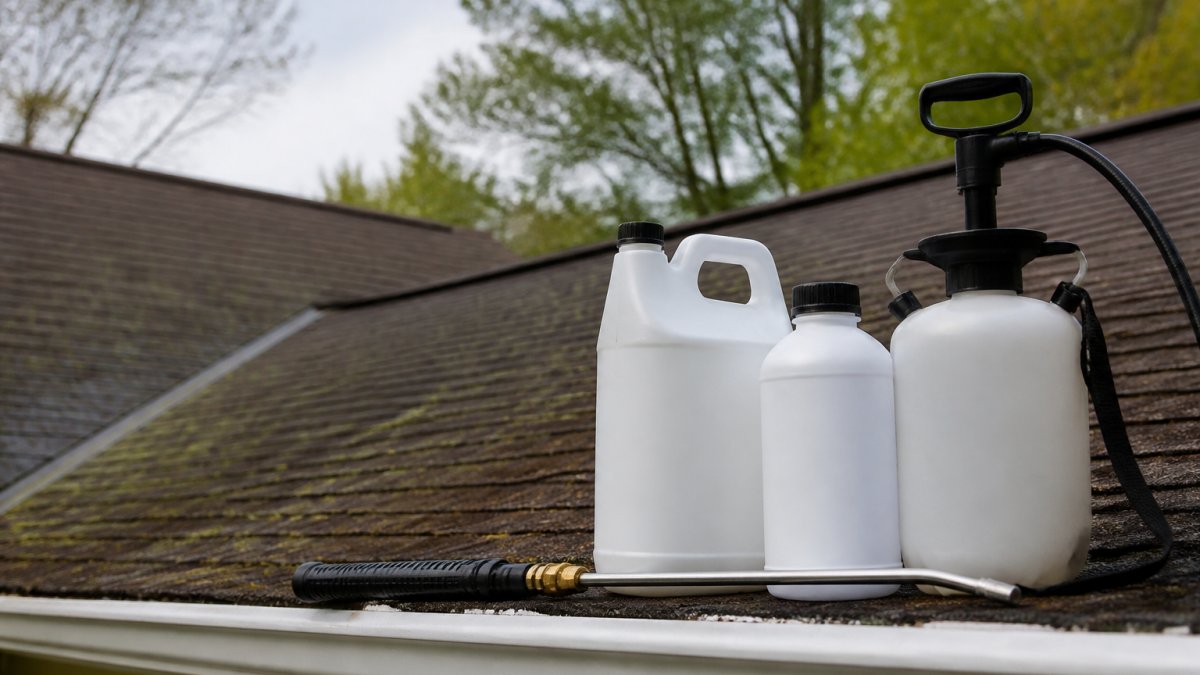
Spray-on roof cleaners offer convenience and consistent application, making them popular for homeowner use. These products come in pressurized containers or require a pump sprayer, allowing even distribution across affected areas. The spray format ensures thorough coverage and reduces waste compared to pour-on treatments.
Two-in-one spray cleaners combine detergent action with mildew-killing agents in a single product. These formulations simplify the treatment process, apply once and let the product work. They're ideal for moderate mildew growth and preventative maintenance. Most require no dilution and work within 24-48 hours.
Concentrated spray solutions require mixing with water before application. While this adds a preparation step, concentrated products often deliver better value and allow you to adjust strength based on mildew severity. A lighter concentration works for prevention, while stronger mixtures tackle heavy infestations.
Consider application method when selecting spray products. Some work best with a handheld pump sprayer, while others are designed for low-pressure garden sprayers. Check compatibility before purchasing to ensure you have the right equipment. Incompatible application methods reduce effectiveness and increase safety risks.
| Product Type | Application Method | Best For | Drying Time |
|---|---|---|---|
| Enzyme-based | Spray or pour | Asphalt shingles | 24-48 hours |
| Bleach-based | Spray or pour | Heavy infestations | 12-24 hours |
| Oxygen-based | Spray | Rubber roofs | 24-48 hours |
| Surfactant | Spray | Moderate growth | 12-24 hours |
Common Mistakes to Avoid When Treating Roof Mildew
Understanding what not to do prevents damage and wasted effort when treating roof mildew. The most frequent error is applying excessive product in hopes of faster results. Oversaturation doesn't improve effectiveness, it increases runoff, wastes material, and can force water into unintended areas.
Another critical mistake involves timing. Many homeowners apply roof mildew removal products and immediately rinse them away, interrupting the chemical process before completion. Most products require minimum contact time to be effective. Rinsing too early means repeating the treatment and potentially damaging shingles through unnecessary moisture exposure.
Ignoring safety precautions creates hazards during application. Working on a roof involves fall risks, and chemical exposure adds additional danger. Always use proper safety equipment, never work alone, and consider professional help if you're uncomfortable on a roof. Learn about preventing water damage during roof treatment to understand the broader safety context.
Mixing different roof mildew removal products is dangerous and ineffective. Chemical combinations can create toxic reactions, damage shingles, or neutralize the cleaning action. Use one product at a time, rinse thoroughly between applications if necessary, and allow adequate drying time.
Neglecting preventative maintenance after treatment leads to rapid regrowth. Mildew returns quickly in moist environments without ongoing prevention. Regular gutter cleaning, roof inspection, and addressing moisture sources extend the time between treatments significantly.
Get Your Roof Professionally Cleaned and Protected
Persistent roof mildew often signals underlying moisture issues that DIY treatment alone won't resolve. Professional assessment identifies the root cause, poor drainage, inadequate ventilation, or shading from nearby trees, allowing targeted solutions that prevent recurrence.
Soul Cleanse uses state-of-the-art equipment and specialized techniques to remove roof mildew safely and effectively. Our skilled professionals understand the nuances of different roof materials and apply appropriate products that eliminate mildew while preserving your roof's integrity. We handle the safety concerns and use proven methods.
Book a professional roof cleaning to get your mildew problem solved. We'll assess your specific situation, recommend the best approach, and provide guidance on preventing future growth. Our guaranteed satisfaction commitment means you can trust the work gets done right the first time.
Frequently Asked Questions
What is the safest way to clean mildew off roof shingles?
The safest approach uses low-pressure spray application followed by gentle rinsing, which removes mildew without damaging shingle granules or causing leaks. Avoid high-pressure washing that can strip protective coatings and force water under shingles. Professional-grade soft-wash systems or enzyme-based cleaners designed for roofs work well. Always allow the product to dwell on the surface as directed, then rinse thoroughly from top to bottom.
Can you use household bleach to remove roof mildew?
Household bleach can kill mildew but poses risks: it may damage shingle coatings, harm surrounding vegetation, and create runoff issues. Roof-specific cleaners are formulated to be effective while protecting your shingles and the environment. If you choose bleach, dilute it heavily and rinse immediately. Most professionals recommend products made specifically for roof mildew removal to ensure safety and longevity of your roof.
How often should you clean mildew off a roof?
Most roofs benefit from mildew treatment every 1-3 years, depending on your climate, shade, and moisture levels. Shaded, humid areas may need annual attention. Regular inspections help catch early growth before it spreads. Preventive treatments can extend intervals between cleanings. A professional can assess your roof's condition and recommend a maintenance schedule tailored to your specific environment and roof type.
Will roof cleaner damage shingles, plants, or gutters?
Quality roof cleaners designed for residential use are safe when applied correctly, but high-pressure application or acidic products can harm shingles. Protect plants and landscaping by covering them or using biodegradable, plant-safe formulas. Gutters should be cleaned afterward to remove debris. Professional application minimizes risk because trained technicians understand pressure settings, dwell times, and runoff management to protect your entire property.
Professional roof mildew treatment protects your home's value and prevents costly damage. Whether you choose DIY methods or professional service, addressing mildew promptly is essential. Soul Cleanse stands ready to help with expert roof cleaning that extends your roof's lifespan and enhances your home's appearance.