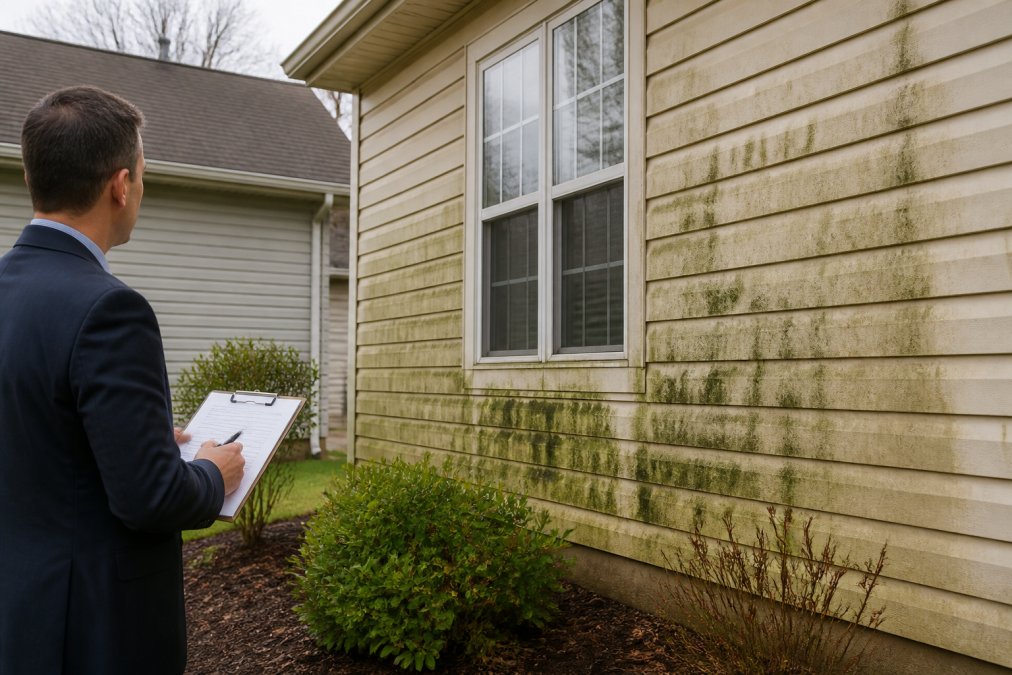
 ultimate-guide
Does Mold on Siding Lower Property Value?
Table of Contents
- Does Mold on Siding Lower Property Value?
- How Mold Affects Home Appraisal and Resale Value
- Structural Damage and Moisture Intrusion: The Hidden Cost
- How to Remove Mold from Siding and Restore Curb Appeal
- Does Pressure Washing Increase Home Value?
- Exterior Home Maintenance Checklist for Sellers
- Disclosure Requirements and Buyer Expectations
- Frequently Asked Questions
Last Updated: September 18, 2026
Does Mold on Siding Lower Property Value?
Yes, mold on siding significantly lowers property value, in fact, does mold on siding lower property value is a critical question every seller must answer before listing. When potential buyers see mold, mildew, or fungal growth on exterior surfaces, it raises immediate red flags about maintenance, hidden damage, and costly repairs ahead. This single issue can reduce buyer interest, trigger lower appraisals, and force price reductions before a sale even closes.
The real question is how much damage mold has already done and whether remediation is worth the investment before listing.
Mold on siding is visible proof of a moisture problem. Buyers interpret it as a structural risk, even if surface-level, eliminating 20-30% of your potential buyer pool.
How Mold Affects Home Appraisal and Resale Value
Mold directly reduces appraised value because appraisers treat it as evidence of moisture intrusion and potential structural compromise. When an appraiser walks through a property and spots mold on siding, they document it as a defect. This lowers the appraised value, which then limits how much a buyer can finance through a mortgage.
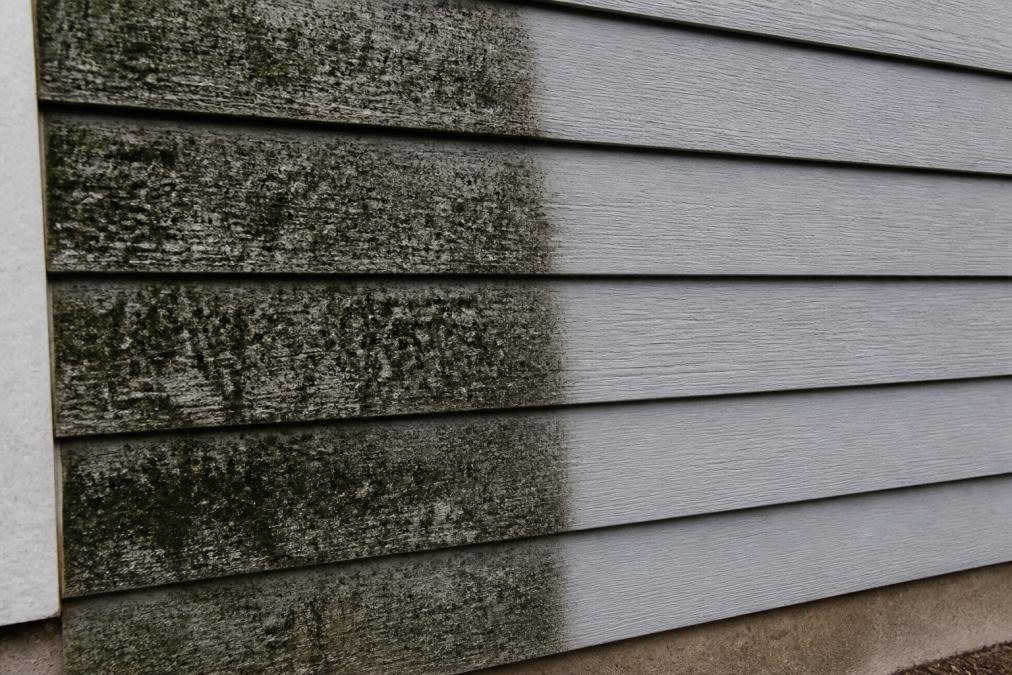
Direct Impact on Appraisal and Financing
Mold impacts resale value through three channels: curb appeal suffers, appraisals come in lower (reducing financing options), and disclosure requirements eliminate buyers unwilling to negotiate around it.
Homes with visible mold receive fewer showings, fewer offers, and longer time on market, forcing sellers to accept lower prices.
You pay for mold twice: in reduced sale price and in buyer concessions for remediation, inspections, or repairs.
The Hidden Insurance Factor: A Major Barrier to Buyer Financing
Mold significantly impacts the buyer's ability to obtain homeowners insurance, a requirement for all mortgage-backed purchases, amplifying property value reduction beyond appraisal impact.
Denial of coverage: Many insurers deny homeowners policies outright if active mold is documented, making the property unmortgageable and preventing sale closure.
Exclusions and higher premiums: Some insurers exclude mold and water damage from coverage, leaving buyers exposed to the property's primary vulnerability and typically causing them to reject the policy.
Increased premiums: Insurers often charge 15-40% higher premiums due to moisture risk, adding $18,000-$24,000 to the true cost of ownership over a 30-year mortgage.
Non-standard insurers only: If standard insurers decline, buyers must use high-risk insurers with higher premiums and less comprehensive coverage, further reducing willingness to proceed.
This insurance barrier eliminates buyers with tight budgets, marginal credit, or limited down payments, leaving only cash buyers or those with significant financial cushion, a much smaller pool demanding steeper discounts.
Compounding Effect: Appraisal + Insurance + Financing
These factors compound: a buyer approved for financing may still be unable to close if insurance is denied or prohibitively expensive, creating a financing bottleneck as damaging as appraisal issues.
A home appraised at $300,000 with visible mold may face insurance denial, preventing buyer closure. The property sits longer, and the seller eventually accepts 10-20% below market value from a cash buyer just to exit.
Addressing Mold Before Listing Protects Insurability
Professional remediation with documented moisture control, written remediation records, moisture source repairs, preventative treatments, and inspection reports, dramatically increases the likelihood of standard insurance approval at standard rates.
Professional remediation before listing is a direct investment in the buyer's ability to finance the purchase, the single biggest factor determining whether a sale closes.
Structural Damage and Moisture Intrusion: The Hidden Cost
Mold on siding signals moisture intrusion, the root cause of structural rot, wood decay, and foundation damage.
Water penetrating behind siding through cracks or failed caulking feeds mold growth and rots underlying wood framing, invisible damage that concerns buyers and appraisers.
Inspectors probe for rot when mold is found. Discovered structural damage causes significant appraisal drops and lender refusal to finance until repairs are made.
Surface mold requires regular maintenance; structural mold indicates active moisture problems requiring professional remediation. Buyers and appraisers price accordingly.
Preventative maintenance is far cheaper than structural repair, making early mold remediation a smart financial decision.
How to Remove Mold from Siding and Restore Curb Appeal
Mold removal depends on siding material, mold severity, and whether structural damage is present.
Professional remediation is the safest approach. Soul Cleanse uses state-of-the-art equipment and gentle yet highly efficient methods to remove mold without damaging siding, assessing each surface and applying appropriate techniques.
Professional cleaning begins with inspection to determine whether mold is surface-level or indicates moisture intrusion, then applies targeted cleaning that eliminates fungal growth while preserving siding integrity.
Preventing regrowth requires addressing the moisture source: fixing gutters, improving drainage, sealing cracks, and ensuring proper ventilation. Professional remediation includes prevention recommendations.
DIY Cleaning vs. Professional Remediation
Many homeowners attempt DIY mold removal using rental pressure washers and household cleaners. This approach carries significant risks.
Standard pressure washers operate at 3,000-4,000 PSI, powerful enough to strip paint, crack siding, and force water behind the surface. A single mistake can cause thousands in water damage exceeding professional cleaning costs.
Household cleaners remove surface discoloration but don't kill fungal colonies in porous material, causing mold to return within weeks.
Professional remediation uses specialized solutions that kill mold spores without damaging siding, lasting longer than DIY attempts and preventing water damage risks.
Professional remediation protects your investment, ensures cleaning lasts through the sales process, and demonstrates proper maintenance to buyers.
Does Pressure Washing Increase Home Value?
Pressure washing dramatically improves curb appeal, directly influencing buyer perception and appraisal outcomes.
A clean exterior signals that the owner has invested in maintenance, influencing whether buyers want to see the interior.
Pressure washing reveals the true condition of siding and identifies problems needing repair before listing.
Regular pressure washing prevents future damage by removing mold and mildew, extending exterior material lifespan and supporting the asking price.
Pressure washing done a few weeks before listing creates maximum impact; done months before, it loses impact as dirt and mold gradually return.
Exterior Home Maintenance Checklist for Sellers
Before listing your property, address these exterior maintenance priorities in order of impact on buyer perception and appraisal value.
Critical items (address before listing):
- Remove all mold, mildew, and fungal growth from siding, roof, and trim
- Repair or replace cracked, warped, or missing siding
- Fix leaking gutters and downspouts
- Seal gaps and cracks in caulking around windows and doors
- Power clean driveway, walkways, and patio
- Trim overgrown landscaping and remove dead plants
- Repair or replace damaged fascia and soffit
- Ensure all exterior paint is fresh and intact
Important items (address if time permits):
- Power wash roof (if safe and appropriate for material)
- Clean all windows and screens
- Refresh exterior hardware and hinges
- Stain or seal wood decks and railings
- Remove graffiti or stubborn stains
- Pressure wash siding to remove dirt and discoloration
Maintenance signals (demonstrate ongoing care):
- Recent roof inspection documentation
- Gutter cleaning records
- Exterior paint or stain application dates
- Mold remediation or prevention treatments
- Drainage improvements or gutter repairs
The goal is to demonstrate to buyers and appraisers that you've maintained the property actively. Visible mold, dirt, and discoloration suggest neglect, which triggers lower appraisals and reduced buyer interest. A clean, well-maintained exterior suggests the interior has received similar care.
Disclosure Requirements and Buyer Expectations
Most states require sellers to disclose known defects, including mold and moisture damage (How to Review Seller Real Estate Disclosures). Failure to disclose results in legal liability after sale closure.
Mold on siding qualifies as a material defect because it signals moisture intrusion and potential structural damage.
Disclose mold specifically: location, extent, and whether professional remediation was performed. Transparency is far more credible than hoping inspectors miss it.
Modern buyers expect properties to be clean and well-maintained. Visible mold fails to meet baseline expectations, significantly reducing the buyer pool.
Remediation before listing costs less than the price reduction you'll accept after disclosure. Address mold professionally to protect your legal position and maximize sale price.
Selling a home with mold on siding requires immediate action. The longer you wait, the more the mold spreads, the more visible damage becomes, and the lower your final sale price will be. Soul Cleanse specializes in professional mold remediation and exterior cleaning that restores curb appeal and prepares your property for appraisal and sale. Our skilled team uses state-of-the-art equipment and gentle yet highly efficient methods to eliminate mold while preserving the integrity of your siding. We guarantee satisfaction and help prevent costly repairs that could derail your sale. Get a quote today and protect your property's value.
Frequently Asked Questions
Is mold on siding bad for selling a house?
Yes. Mold on siding is a major red flag for home inspectors and buyers. It signals moisture problems, potential structural damage, and maintenance neglect. Most buyers will request price reductions or walk away entirely. Disclosure requirements vary by state, but hiding mold can expose you to legal liability after closing. Professional remediation before listing protects your resale value and marketability.
How much does mold on siding lower home value?
The impact depends on mold severity, extent of structural damage, and local market conditions. Surface mold may reduce value by 5-10%, while extensive fungal growth affecting structural integrity can lower appraised value by 15-30% or more. Beyond the appraisal hit, mold shrinks your buyer pool significantly. Buyers often demand closing cost concessions or price reductions even when structural damage is minimal.
Can professional pressure washing remove mold from siding permanently?
Professional pressure washing removes visible mold, mildew, and discoloration, restoring curb appeal and improving buyer perception immediately. However, permanent removal depends on addressing the moisture source. Without fixing underlying moisture intrusion or ventilation issues, mold will return. Pressure washing is essential for pre-sale preparation.
What exterior issues devalue a house the most?
Structural damage from rot, moisture intrusion, and mold rank highest. Cracked or warped siding, damaged roofing, and poor drainage also significantly impact appraised value and buyer confidence. Faded siding and graffiti hurt curb appeal but are easier to fix. Maintenance history matters too, buyers perceive well-maintained exteriors as indicators of overall property care, while visible neglect raises concerns about hidden defects inside.